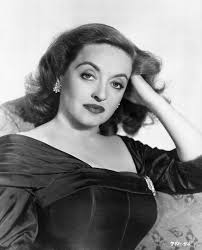
The renowned American actor Gary Cooper is frequently recognized for his mesmerizing appearances and his seamless ability to inhabit great characters on television. Cooper was nominated for five Academy Awards over his career and took home two for his outstanding performances. An in-depth analysis of each of Cooper’s nominated roles, as well as their influence on the movie business, is provided on this page.

First Oscar nomination
The year 1937 saw Cooper receive his first Oscar nomination for his performance as Longfellow Deeds in the classic movie “Mr. Deeds Goes to Town.” This endearing comedy-drama, which Frank Capra directed, recounts the tale of a straightforward small-town man who acquires an enormous fortune and becomes the victim of avaricious exploiters. Cooper demonstrated in his role as Deeds his talent for bringing charm, innocence, and honesty to the big screen. He captured the essence of Deeds’ naivety and goodness, making the character relatable and endearing to audiences. Cooper’s nomination for this role solidified his status as a leading man in Hollywood.
Second Oscar nomination
In 1941, Cooper received his second Oscar nomination for his portrayal of Alvin York in “Sergeant York.” This historical war picture, which Howard Hawks directed, recounts the actual tale of a pacifist who transforms into a combat hero during World War I. Cooper’s portrayal of York was praised as one of his best and showed off his acting range. He skillfully captured the internal conflict York experienced as he tried to reconcile his Christian convictions and the need of going to war. Cooper’s ability to convey the complexity of York’s character earned him critical acclaim and further cemented his place as a Hollywood icon.
Third Oscar nomination
In 1942, Cooper received his third Oscar nomination for his portrayal of Lou Gehrig in “The Pride of the Yankees.” This historic drama, which Sam Wood directed, recounts the heroic tale of the illustrious New York Yankees baseball star. Cooper’s portrayal of Gehrig was nothing short of extraordinary. He captured the essence of Gehrig’s strength, determination, and humility, bringing the beloved athlete to life on the screen. Cooper’s performance was widely praised for its authenticity and emotional depth, earning him his third Academy Award nomination.
Fourth Oscar nomination
In 1952, Cooper received his fourth Oscar nomination for his role as Will Kane in the iconic Wester film “High Noon.” Directed by Fred Zinnemann, this suspenseful tale follows a lawman who must face a gang of outlaws alone when the townspeople refuse to help. Cooper’s performance as Will Kane is often regarded as one of his most memorable. He flawlessly portrayed the character’s fear, determination, and moral dilemma, creating a gripping and intense viewing experience. Cooper’s nomination for this role showcased his ability to command the screen and captivate audiences with his nuanced performances.
Final Oscar nomination
In 1962, Cooper received his final Oscar nomination for his performance as Marshal Rooster Cogburn in “True Grit.” With the assistance of the tough and courageous Cogburn, a little girl seeks vengeance for the death of her father in this western action movie directed by Henry Hathaway. Cooper’s performance as Cogburn was both rugged and tender, perfectly capturing the character’s rough exterior and underlying compassion. His depiction received positive reviews, and many consider it to be one of his best portrayals.
The versatility of Gary Cooper
Gary Cooper’s Oscar-nominated performances over the course of his lengthy career demonstrated his brilliance, adaptability, and capacity to bring to life complicated characters. His performances cemented his position as one of Hollywood’s best performers and had a lasting impression on the film industry. Cooper distinguished himself from his peers by being able to switch between genres with ease and portray a variety of personalities. His tremendous talent and long influence are attested to by his two Oscar victories and five nods.
Final thoughts
Gary Cooper’s Oscar-nominated performances, in sum, are evidence of his exceptional talent and dedication to the cinema business. Cooper grabbed viewers with his honesty, depth, and charisma in everything he did, from his early work as Longfellow Deeds to his renowned performance as Marshal Rooster Cogburn. He received critical acclaim for his ability to bring complicated characters to life on screen, which cemented his reputation as a Hollywood classic. Cooper’s influence on the film business is still felt today, and his performances stand as a testament to the effectiveness of strong acting.
You may also like these articles
Leonardo DiCaprio. The best films. Career. Charity. Oscars
Samuel L. Jackson’s impact on the film and television industry
Michael B. Jordan’s impact on the film and television industry