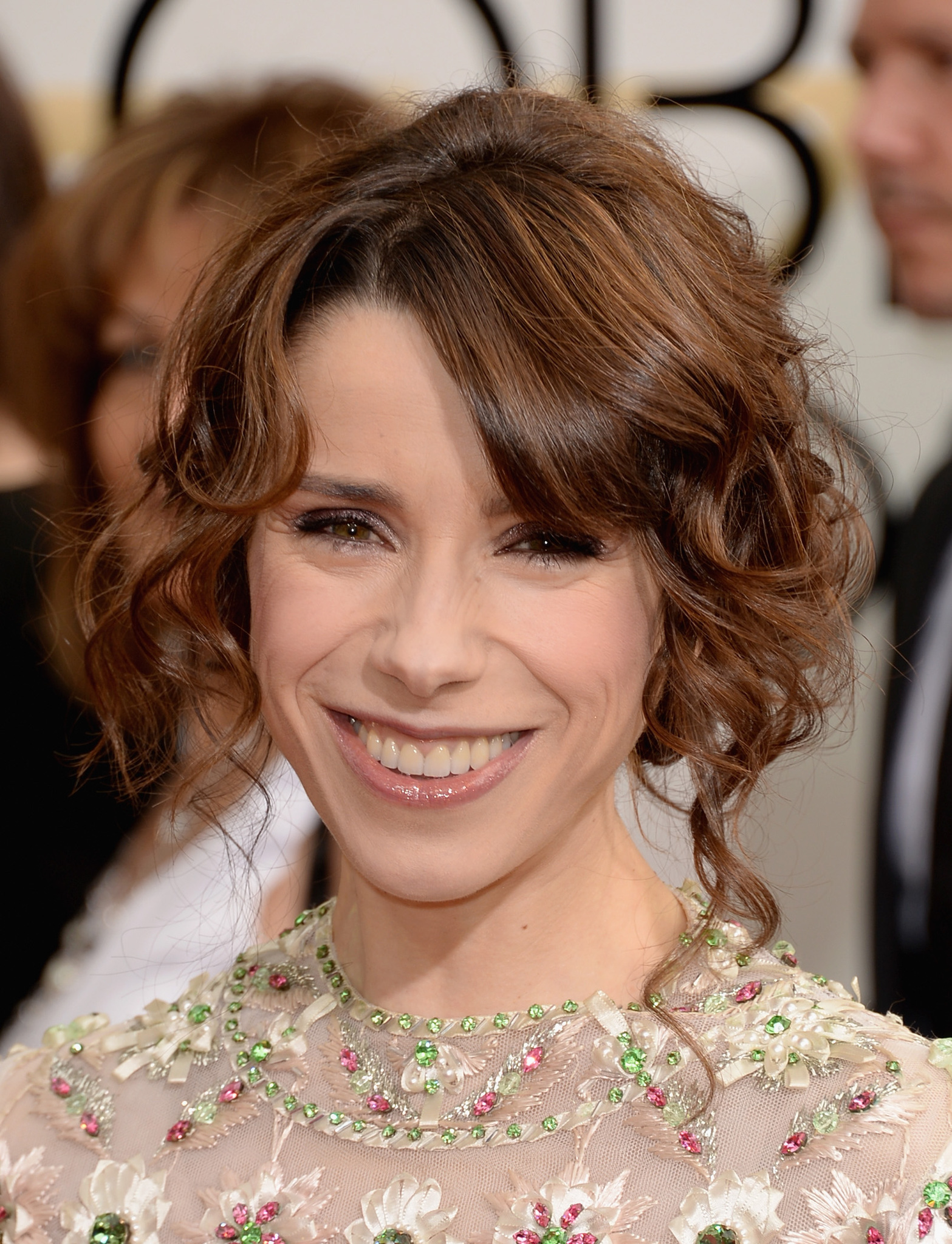
One of the most fascinating and varied actors of her time, Rooney Mara, has enthralled viewers with her remarkable on-screen persona and transformational performances. Despite having a wide range of parts in her repertoire, her two Oscar nominations have solidified her status as one of Hollywood’s most sought-after actors. Let’s examine Rooney Mara’s path to the Oscars and the parts that brought her esteemed acclaim in more detail.
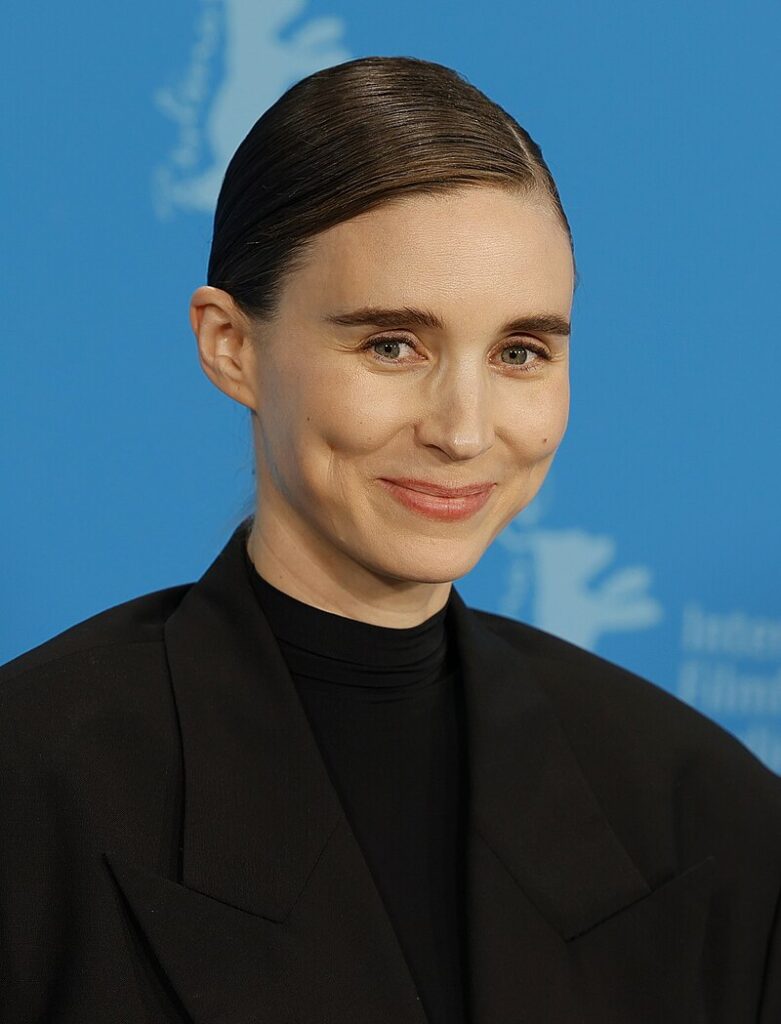
Early life and the rise to stardom
Rooney Mara was born in 1985 into the famous Mara family, who are well-known for owning the Pittsburgh Steelers and New York Giants. In the beginning, Rooney Mara was reluctant to pursue a career in movies. She did, however, find herself lured back to performing after studying global social affairs and psychology. Mara’s early parts were modest and sometimes disregarded, but her commitment to the work soon set her apart from the competition. Her big break came in the 2010 movie The Social Network, when she had a minor but crucial role as Mark Zuckerberg’s love interest.
The role that changed everything: Lisbeth Salander
The Girl with the Dragon Tattoo (2011), which is a cinematic version of Stieg Larsson’s highest-selling book, earned Rooney Mara her first Oscar nod. Mara changed mentally and physically to become Lisbeth Salander, a very complicated and disturbed hacker. Her dramatic makeover, which included body art like a pier and a bleached eyebrow, demonstrated her unabashed commitment to the part.
Mara gave a genuine, powerful, and emotionally poignant portrayal of Lisbeth. She expertly balanced Lisbeth’s power and tenderness, giving the character a multifaceted, fully realized persona that controlled the screen. Her performance cemented her as one of the most audacious actors of her day and garnered her a nomination for the Oscar for Best Actress.
The power of transformation
Mara’s portrayal of Lisbeth Salander was notable due to the physical and psychological changes she experienced. Mara excelled in delivering both the technical skill and sentimental weight that the part required. She had to explore themes of pain, alienation, and salvation for the part, which she did with a haunting nuance. Both reviewers and viewers found great resonance in this performance, with Mara’s interpretation of Lisbeth emerging as the character’s distinguishing characteristic.
Exploring sexuality and forbidden love: Therese in Carol
For her performance in Todd Haynes’ romantic drama Carol (2015), Rooney Mara was nominated for her second Oscar in the category of Best Supporting Actress. The forbidden love affair between Therese Belivet, a young photographer, and Carol Aird, is the subject of Carol, a film based on Patricia Highsmith’s novel The Price of Salt.
Mara’s depiction of Therese demonstrated her amazing versatility as an actress since it differed much from her part as Lisbeth. Therese was kind, naive, and subtly aggressive, in contrast to Lisbeth’s guarded and tough exterior. The skill with which Mara conveyed emotion through nuanced gestures and facial expressions allowed her to portray her character’s fragility and longing without ever going overboard.
The quiet intensity of Carol
Rooney Mara plays a silent storm in Carol rather than a natural force. Soft looks, long silences, and a tentative but strong longing are how she depicts Therese’s emotional enlightenment. One of the highlights of Mara’s performance was her ability to convey so much meaning with so little spoken; she received high praise for playing such a subtle yet effective part.
Chemistry with Cate Blanchett: A love story for the ages
Carol’s on-screen chemistry between Mara and Cate Blanchett was another standout feature. The delicate, intense connection between the two actresses perfectly conveyed the intricacy and beauty of illicit affection. The film’s dramatic stakes were raised by the tender glances and conversation between Therese and Carol, which created a special environment. The pair’s performances were praised by critics, and Mara’s portrayal of Therese cemented her standing as a complex, expressive actor.
The significance of her Oscar nominations
Rooney Mara’s two Oscar nominations are evidence of her adaptability, dedication, and capacity to enhance each part that she plays. She crafted characters for Carol and The Girl with the Dragon Tattoo that struck a deep chord with viewers and had a long-lasting effect on the motion picture business. Her ability to select parts that push her artistic boundaries is evident in these nods, in addition to her skill.
Impact on modern cinema
Not only have reviewers praised Mara’s Oscar-nominated displays, but they have also influenced how women are portrayed in contemporary film. Mara has continuously selected parts that go against the norm for female characters in a cinematic milieu that frequently confines them to one-dimensional tropes. Her performances as Therese Belivet and Lisbeth Salander on-screen signify a larger trend in Hollywood towards more nuanced, real-life portrayals of women.
A lasting legacy
Rooney Mara’s reputation as one of the best actors of her age only becomes stronger as she takes on more difficult and stimulating parts. Whether portraying a reserved photographer or a broken hacker, Mara infuses honesty, subtlety, and depth into every performance. Her career is going to be long-lasting and significant, and her Oscar nominations are only the start of it.
You may also like these articles
Chadwick Boseman’s impact on the film and television industry
Chris Hemsworth’s impact on the film and television industry
Scarlett Johansson’s impact on the film and television industry