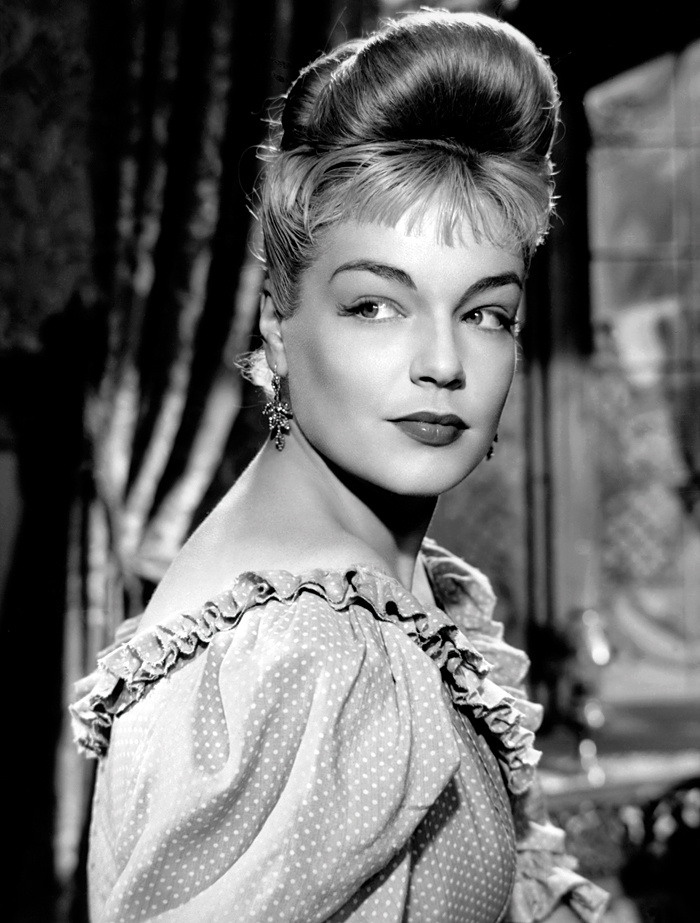
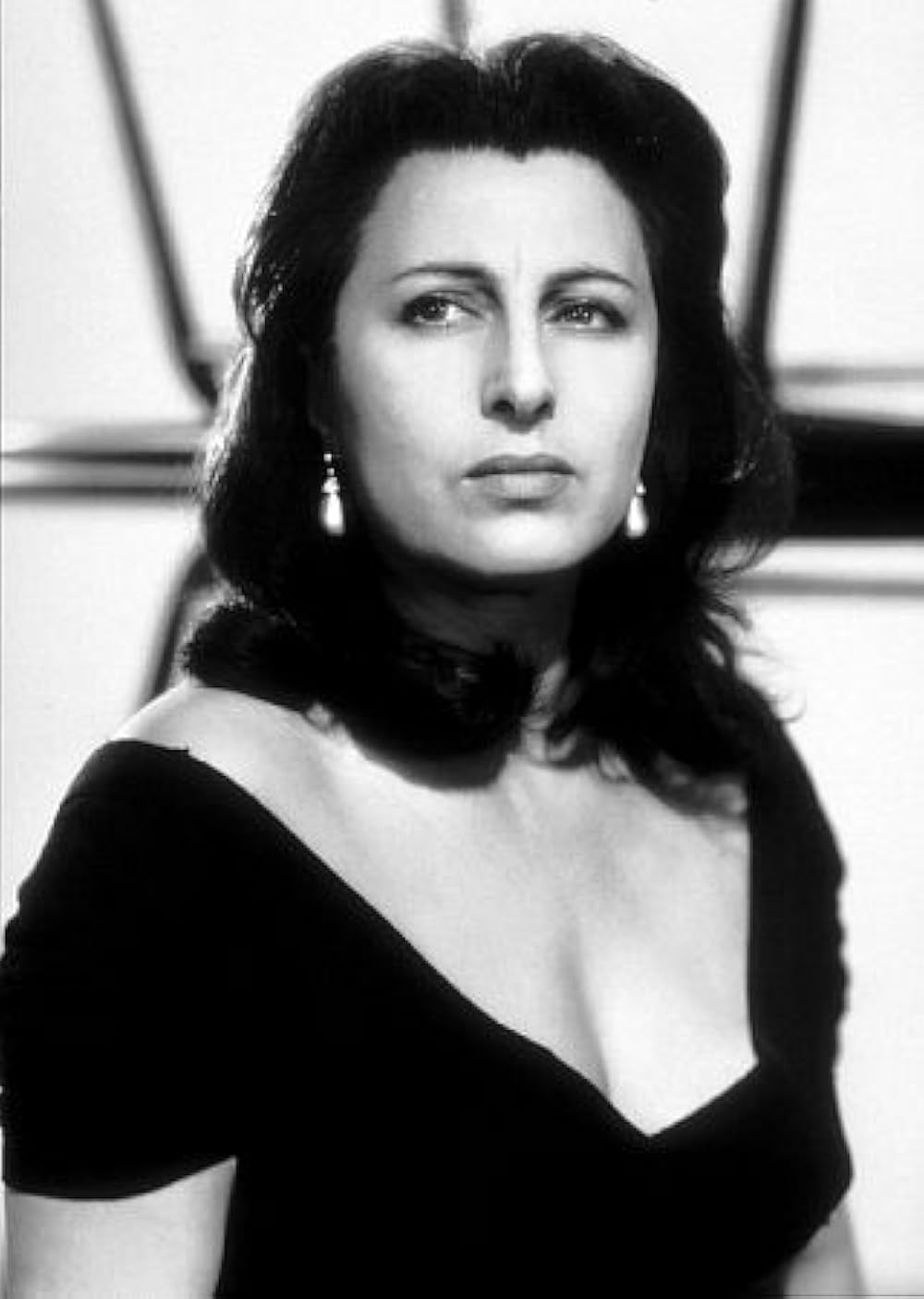
Movie buffs have a particular place in their hearts for Dame May Whitty, a name that is still remembered in the corridors of cinema history. Her path to the Oscars is a tale of grace, brilliance, and a lasting impact. She was one of the first British performers to master the move from theatre to movie. Let’s examine her biography, her Oscar nods, and the impact she had on the performing community.
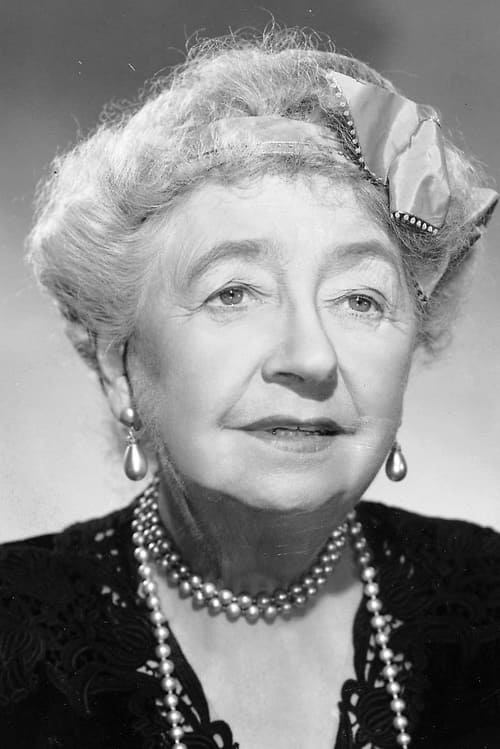
The early life of May Whitty
May Whitty, who was born in Liverpool, England, in 1865, appeared destined for the theatre. Her family was artistically inclined, therefore she started acting at an early age and had her first professional gig at the age of sixteen. Whitty, renowned for her grace and adaptability, rose to prominence in British theatre quite rapidly. Her early professional life consisted mostly of theatre appearances, where she developed her skills and made her name as a prominent actor.
From stage to screen
Even though May Whitty enjoyed success on stage, her professional life in cinema began considerably later. She was in her late sixties when she didn’t become well-known in Hollywood until the 1930s. Since many theatre actors found it difficult to adapt to the requirements of cinema acting, the decision was audacious. Whitty became an instant star in the movies, nevertheless, thanks to her skilled acting and attention-grabbing personality.
Night Must Fall (1937) was her first significant motion picture role and the start of her path to Oscar fame.
First Oscar nomination: Night Must Fall (1937)
Dame May Whitty portrayed Mrs. Bramson in Night Must Fall, an aging and controlling woman who inadvertently lets a lethal assailant inside her house. The suspenseful novel demonstrates Whitty’s skill at portraying a character who is both strong and weak. After captivating viewers with her portrayal, the 72-year-old received her first Academy Award nod for Best Supporting Actress.
Even though she was not selected, it was a noteworthy accomplishment. Being honored by the Academy was an uncommon accomplishment for an older actress, and it proved that brilliance had no age restrictions.
The role of a lifetime: Mrs. Miniver (1942)
Whitty further cemented her position in Hollywood by continuing to feature in more films after her triumph in Night Must Fall. Her most famous performance was in the 1942 film Mrs. Miniver, in which she played the aristocratic Lady Beldon, whose tough appearance belied her tender inner self. The film, which followed the tale of a British family during World War II, was a huge hit and struck a powerful chord with viewers during the time of the conflict.
Whitty received a second Oscar nomination for Best Supporting Actress for her performance as Lady Beldon. Her ability to blend warmth, humor, and solemnity in a part that gave the movie essential psychological weight demonstrated the breadth of her acting career.
A pioneer for older actresses
In addition to their significance for her accomplishments, May Whitty’s Oscar nominations were revolutionary for Hollywood as a whole. Whitty’s nominations disproved the idea that Hollywood was only for young people at a period when most stars saw their careers wane as they grew older. Her accomplishment demonstrated that talent could shine at any age and opened openings for older actors.
She was able to break the stereotype and demonstrate that a performer in her seventies could still fascinate audiences and get critical praise because of her performances.
Later years and continued impact
In her later years, May Whitty kept up her acting career, making appearances in films like Suspicion (1941) and The Lady Vanishes (1938), where her work was as powerful as ever. Despite not receiving an Oscar during her lifetime, she left a lasting impact as a trailblazing actress in both British and Hollywood films.
Her narrative is particularly captivating because of her ability to effortlessly transition from stage to television and adjust to the ever-changing entertainment industry.
Enduring legacy in film history
At the age of 82, Dame May Whitty passed away in 1948, yet her impact on the movie industry endures to this day. Her Oscar nominations represented not just her accomplishments but also the changing landscape of the entertainment business and the victory of talent and hard work over aging.
Her parts in beloved classics like Mrs Miniver and Night Must Fall are still praised for their nuance and emotional profundity. Whitty’s trajectory from theatre to the Oscars, together with her influence as a pioneer for senior actors, continues to be a motivational tale in the annals of cinema.
In addition to her artistic gifts, Dame May Whitty will always be recognized for having set the standard for succeeding generations of actors.
You may also like these articles
Chadwick Boseman’s impact on the film and television industry
Chris Hemsworth’s impact on the film and television industry
Scarlett Johansson’s impact on the film and television industry