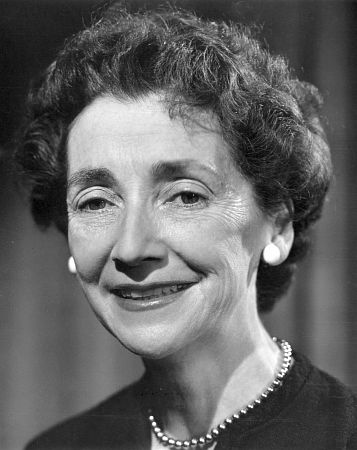
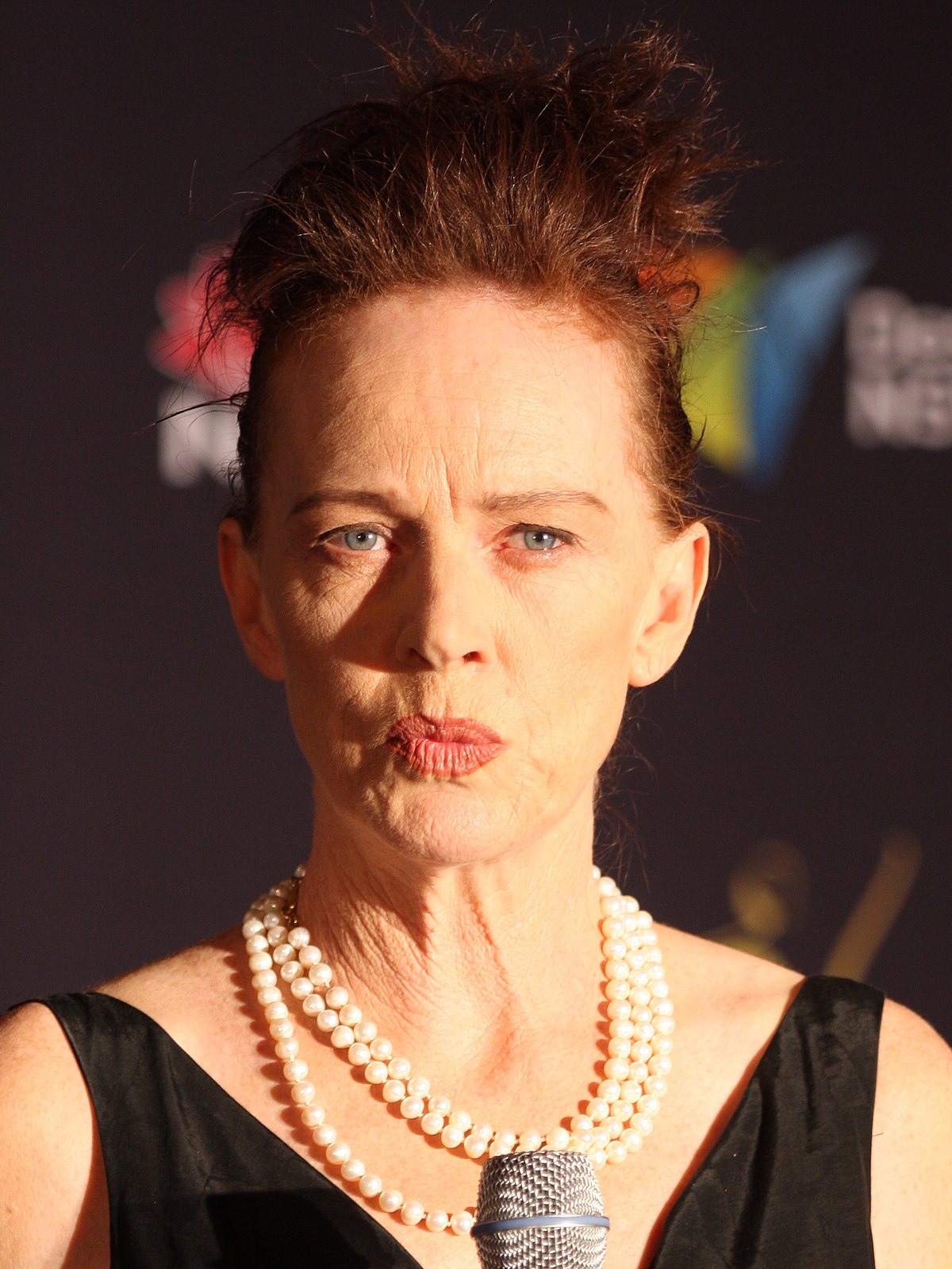
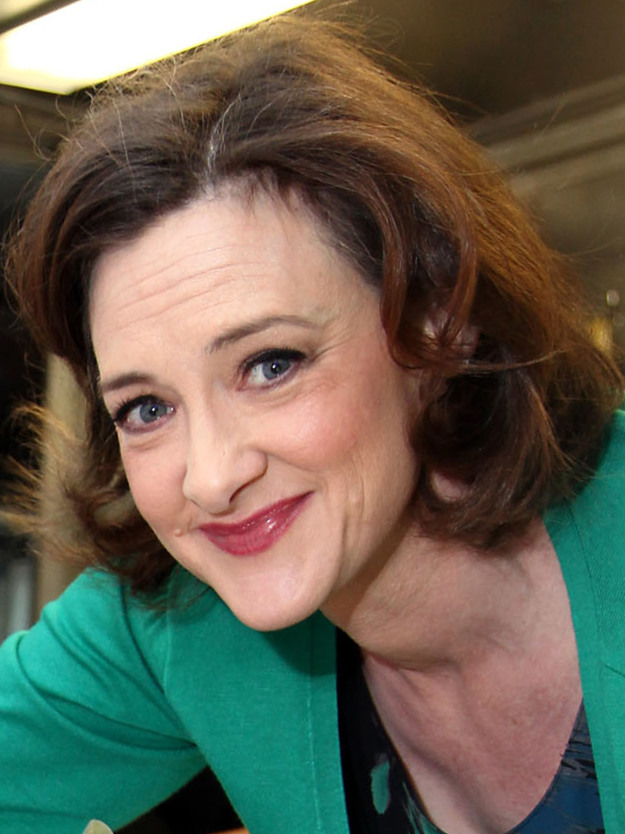
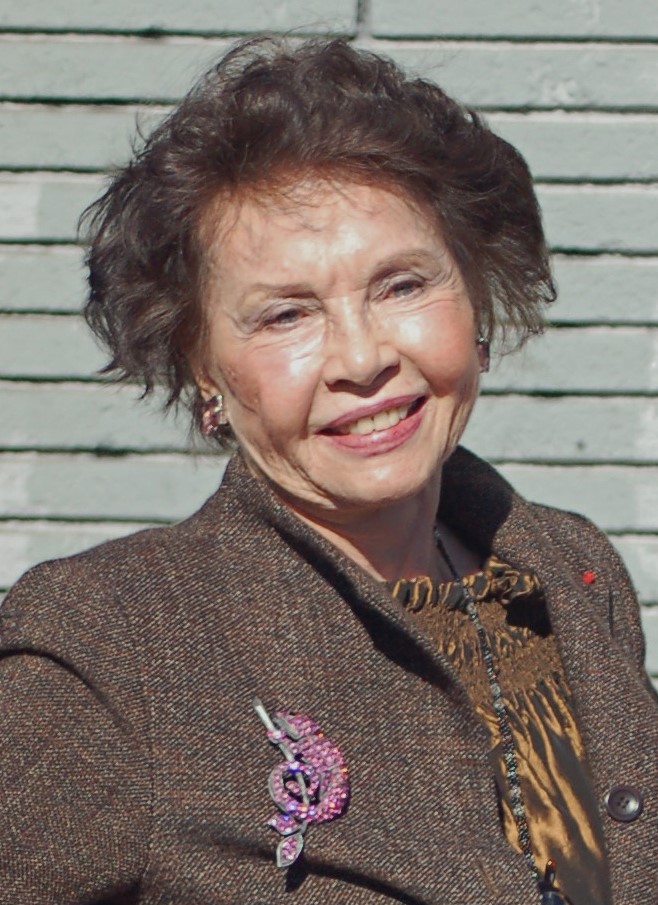
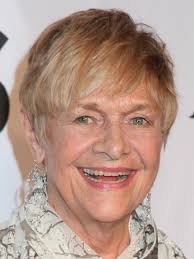
In Hollywood, Estelle Parsons’s name is a byword for adaptability and durability. Parsons has left a lasting impression on the entertainment world throughout a career spanning more than 60 years in theatre, television, and cinema. Her Oscar nominations demonstrate the breadth of her skill and her exceptional capacity to evoke strong emotions in the faces of nuanced characters. This essay explores her path to Oscar glory while honoring her contributions to cinema and her ongoing impact.
A multi-talented force: Parsons’ early career
Estelle Parsons had already proved herself as a versatile actress before making her Hollywood debut. She was born in 1927 in Massachusetts and first went to law school before deciding to become an actress. Parsons began her career on The Today Show as a writer and producer before moving on to the theatre, where she swiftly established a reputation. Her Broadway roles won her praise from critics and helped her achieve success in films later on.
Oscar debut: Bonnie and Clyde (1967)
Parsons’ breakthrough performance in Hollywood came from her portrayal of the delirious and confused Blanche Barrow in the classic 1967 picture Bonnie and Clyde. Alongside Faye Dunaway and Warren Beatty in the lead roles, Parsons embodied Blanche’s dread and disorientation among the pandemonium of the outlaws with a real emotional intensity. Blanche is portrayed as a very vulnerable and tragically humorous character, which elevates her to a prominent position in the movie.
Parsons received her first Academy Award nomination for her performance, and in 1968, she won the Best Supporting Actress Oscar. Her victory established her as one of Hollywood’s most accomplished character performers and marked a significant career turning point.
Second Oscar nomination: Rachel, Rachel (1968)
Less than a year after winning an Oscar for Bonnie and Clyde, Parsons was nominated once more for Rachel, Rachel (1968). Joanne Woodward played a repressed schoolteacher who had to face her emotional and sexual identity in Paul Newman’s picture. Rachel’s friend and coworker Calla Mackie, portrayed by Parsons, encourages her to explore her own identity.
Parsons played Rachel, but her performance was no less nuanced, displaying a profound emotional sensitivity and a sharp awareness of her character’s hidden ambitions. Even if she didn’t win this time, her nomination confirmed that she can portray complicated characters with elegance and sensitivity.
Theater success parallel to film career
Despite her success in movies, Parsons never wavered in her devotion to theatre. Throughout her career, she was nominated for several Tony Awards, which demonstrated her versatility as a performer even more. She stood out from many of her peers and demonstrated her commitment to her profession with her ability to switch between theatre and cinema with ease.
Television: expanding her reach
Parsons had success not just in theatre and cinema but also in television. Thanks to her long-running role as Beverly Harris in the popular comedy Roseanne, she became well-known to fans. She gained a lot of notoriety and met a new generation of followers thanks to her work on the program.
A masterclass in character acting
Estelle Parsons’ skill at character acting is what has made her such a popular figure in Hollywood. Parsons excelled in supporting roles, where she could explore the nuances of her characters, as opposed to standard main roles. Parsons portrayed both strong-willed ladies and frail, damaged people with complexity and realism in each character.
A legacy of influence
The impact of Estelle Parsons goes much beyond her creations. She has encouraged many performers to follow their profession with the same commitment and enthusiasm that she has demonstrated throughout her career as a teacher and mentor. In the business, she is well regarded for her dedication to acting as a discipline and an art form.
You may also like these articles
Best movies of Gwyneth Paltrow
Best-selling movies of Henry Golding