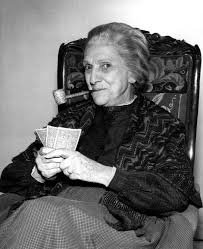
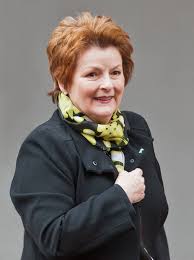
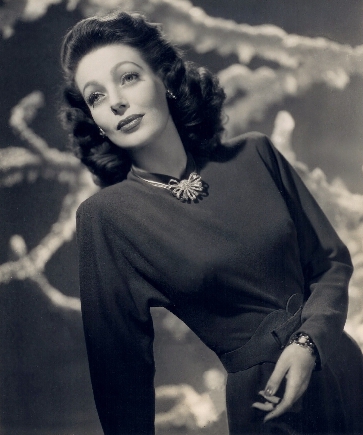
Actress Mildred Dunnock portrayed the intricacies of human emotion on stage and television with subtle yet impactful performances. Dunnock’s ascent through Hollywood’s esteemed acclaim, marked by two Oscar nominations for Best Supporting Actress, is evidence of her unassuming genius. This retrospective honors her enduring influence on film while delving further into the parts that brought her Oscar nominations.
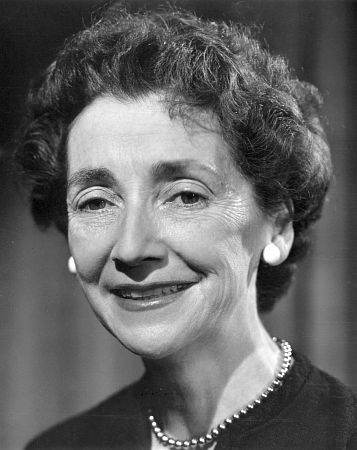
Mildred Dunnock: A stage actress turned Silver Screen Star
Mildred Dunnock, who was born in Baltimore in 1901, began her acting career on stage, where she became well-known for her realistic and deeply felt roles. Later in life, she made the switch to cinema, taking her stage-tested abilities to the big screen. Dunnock, who gained recognition for her character-driven performances, was never your average Hollywood star, but her unadulterated skill won her praise right away.
Death of a Salesman (1951): Her first Oscar nomination
For her performance of Linda Loman in Death of a Salesman (1951), which was based on Arthur Miller’s well-known play, Dunnock received her first Oscar nomination. Dunnock gave a devastating portrayal as Willy Loman’s patient wife, adapting her stage character for the big screen. The story’s emotional center is Linda, a lady who quietly suffers the consequences of her husband’s mistakes and illusions.
Dunnock’s performance of Linda will always be remembered for her ability to project tremendous power underneath a frail appearance. She was nominated for Best Supporting Actress because of her calm resilience and emotional outbursts that won over the Academy.
A portrait of sacrifice in the death of a salesman
Dunnock’s portrayal was particularly powerful because of her profound appreciation for Linda Loman’s sacrifices. Dunnock depicted Linda’s unflinching support as Willy descends into despair, frequently using subdued gestures and quiet words. Her performance was remarkable because of her capacity to convey a great deal of emotional depth through subdued periods of suspense and grief.
In addition to being a victim, Linda played by Dunnock was a multifaceted person whose inner fortitude kept her collapsing family together. Both reviewers and viewers found resonance in Dunnock’s performance, which cemented her standing as a powerful performer.
Baby Doll (1956): Her second Oscar nod
For her part in the contentious drama Baby Doll (1956) directed by Elia Kazan, Dunnock received her second Oscar nomination. She portrayed Aunt Rose Comfort, a colorful and sad character who was enmeshed in the turbulent world of her niece Baby Doll, and her marriage problems. The film’s offensive subject generated discussions, but Dunnock’s portrayal of Aunt Rose offered a moral counterpoint.
Despite being more of a supporting role in the story, Dunnock’s deft portrayal of Aunt Rose made her distinctive. She brought a blend of gentle wisdom and tenderness to the role, providing comedic relief without losing the character’s emotional impact.
Blending comedy and pathos in Baby Doll
In Baby Doll, Dunnock had to play a careful balancer. She handled the film’s humor and underlying feelings of sadness as Aunt Rose did with ease. Even though she was frequently perplexed by the drama going on around her, her character gave the movie’s portrayal of Southern life more nuance. With her ability to elicit empathy and her humorous timing, Dunnock transformed Aunt Rose from a supporting part into a memorable figure all by herself.
A master of subtlety and emotional complexity
One thing unites Dunnock’s two Oscar-nominated roles: they both highlight her skill with nuance. During a period when several performances were characterized by exaggerated personalities, Dunnock’s strength resided in her ability to subtly convey profound emotional nuance. Whether portraying the quirky Aunt Rose or the devoted Linda Loman, Dunnock never needed to use big movements to let the audience experience the inner lives of her characters.
The legacy of Mildred Dunnock’s nominations
Mildred Dunnock’s Oscar nominations attest to her extraordinary flexibility as a performer. In Death of a Salesman, she gave voice to the issues faced by a woman living under her husband’s shadow; in Baby Doll, she brought a humorous and human element to a film. Her ability to transform little incidents into powerful character feelings guaranteed that anyone who witnessed her performances would never forget them.
A lasting impact on American cinema
Despite never winning an Oscar, Dunnock made a tremendous impact on American cinema. Her performances were soaked in emotional authenticity, and she often caught the essence of ordinary people in extraordinary circumstances. Mildred Dunnock’s Oscar nomination trajectory is indicative of her exceptional talent and ability to fully inhabit every role she played.
Dunnock is one of Hollywood’s most quietly significant performers. Her skill lay more in the depth and subtlety of her performances than in the size of her roles.
You may also like these articles
How did Jason Statham become famous?
How did Angela Bassett became famous
How did Laurence Fishburne become famous?