Throughout the span of her multi-decade vocation, English entertainer Jean Simmons was famous for her adaptability and ability to play different roles. Simmons’ magnificence, appeal, and profundity of heart captivated crowds in everything from musicals to historical shows. Despite playing various significant parts during her vocation, her two Academy Award nominations for Best Actress and Best Supporting Actress stand out as pivotal events that established her heritage in Hollywood. This article examines the positions that brought Simmons these regarded nominations more detail.
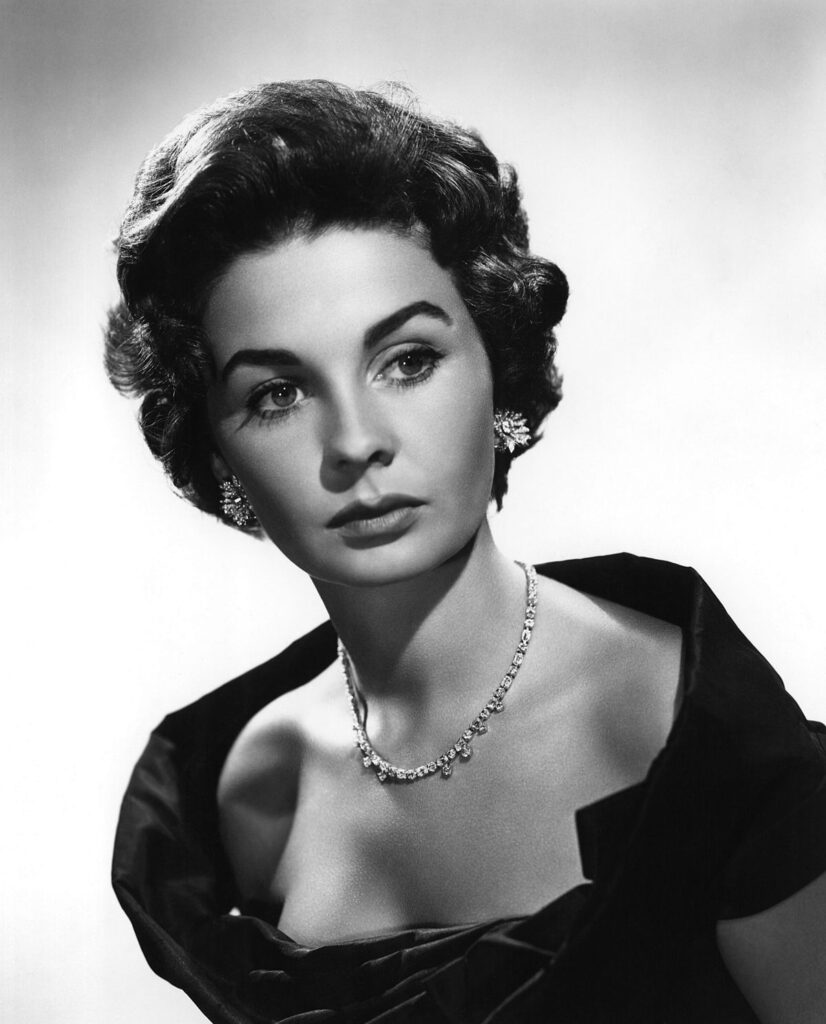
Oscar nominee for best supporting actress
For her exhibition as Ophelia in Laurence Olivier’s 1948 Hamlet, Simmons was designated for her first memorable Oscar. She played one of Shakespeare’s most miserable parts with incredible effect quite early in life at 19. Simmons needed to find some kind of harmony between profound power and weakness to deal with Ophelia, a youthful aristocrat who was made crazy by love and betrayal. Her portrayal of Ophelia’s winding into frenzy got high appreciation for its close to home profundity and truthfulness, featuring the frailty of a young woman captured in an uncontrollable climate. In a film where Olivier’s transcending portrayal of Hamlet dominated, Simmons’ capacity to quietly convey intense emotion made her exhibition stick out. She received a nomination for Best Supporting Actress at the 1949 Academy Awards for her sensitive and eerie performance of Ophelia. Despite losing, this nomination helped her get into Hollywood and established her as one of the most promising young actors in British film.
Oscar nominee for best actress
Her performance in The Happy Ending (1969) won Simmons her second Oscar nomination, this time for Best Actress, twenty years after her debut act in Hamlet. She portrayed Mary Wilson in the movie, a suburban housewife who battled drinking, despair, and the demands of leading a flawless life. Since Simmons had openly discussed her own struggles with alcoholism, her depiction of Mary was very personal and gave the part a genuine honesty. Simmons depicted the inner agony of a woman looking for happiness and purpose in a life that has grown dull and unfulfilling in The Happy Ending. Her portrayal of Mary’s emotional collapse was delicate and graceful, and it was both tragic and sympathetic. Simmons’ depiction of a lady facing the darkest parts of her life was praised by critics, and she was duly nominated for an Oscar in 1970 for Best Actress.
Simmons’ legacy besides Oscar nominations
These performances mark two significant moments in Simmons’ career—her early breakthrough performance in Hamlet and her mature, nuanced representation in The Happy Ending—even though she did not win any of the nominations. Her acting ability is shown by these nominations, which span from Shakespearean tragedy to present day drama. Beside her Oscar-named appearances, Simmons had an extensive and diverse career, showing up in motion pictures including Spartacus (1960), Elmer Gantry (1960), and Guys and Dolls (1955). She was one of the most well-regarded entertainers of her day in view of her reliably rich and nuanced exhibitions. Her nominations are evidence of her ongoing brilliance and commitment to film, even if she may not have won the golden statue.
In summary
The Oscar-nominated parts that Jean Simmons played in The Happy Ending and Hamlet show off her extraordinary versatility as a performer. Simmons performed a range of characters, from the sad and frail Ophelia to the emotionally nuanced Mary Wilson. She never received an Academy Award, but her nominations demonstrate the enormous influence she had on American and British film, guaranteeing her place in history as a well-liked and esteemed actress.
You may also like these articles
Chadwick Boseman’s impact on the film and television industry
Chris Hemsworth’s impact on the film and television industry
Scarlett Johansson’s impact on the film and television industry