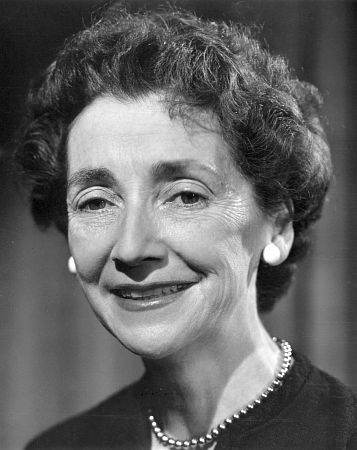
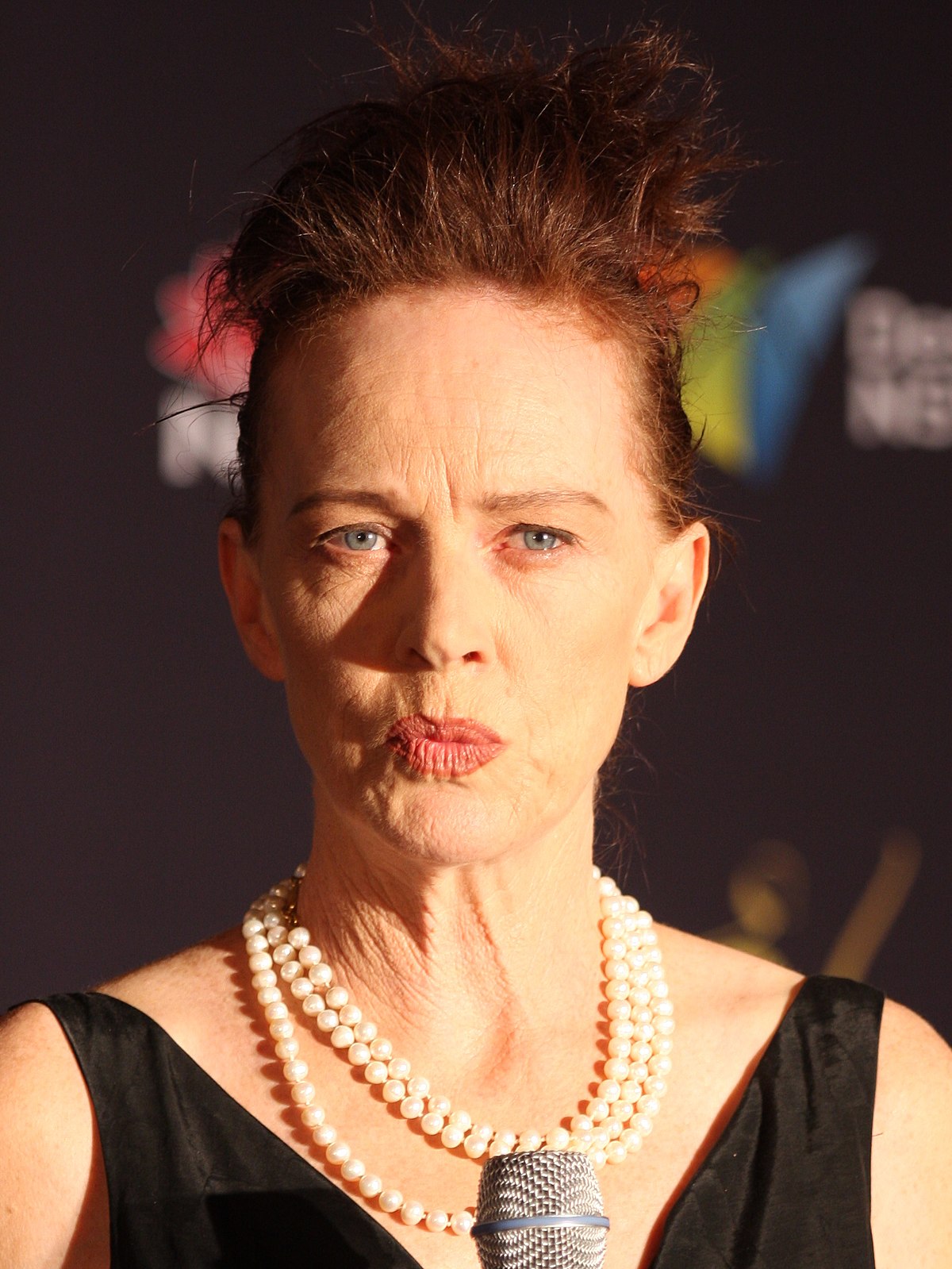
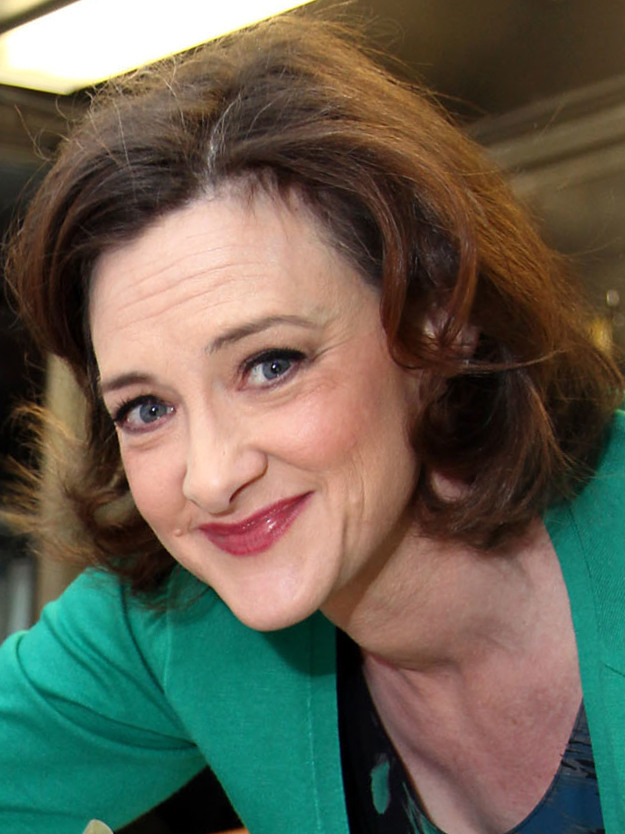
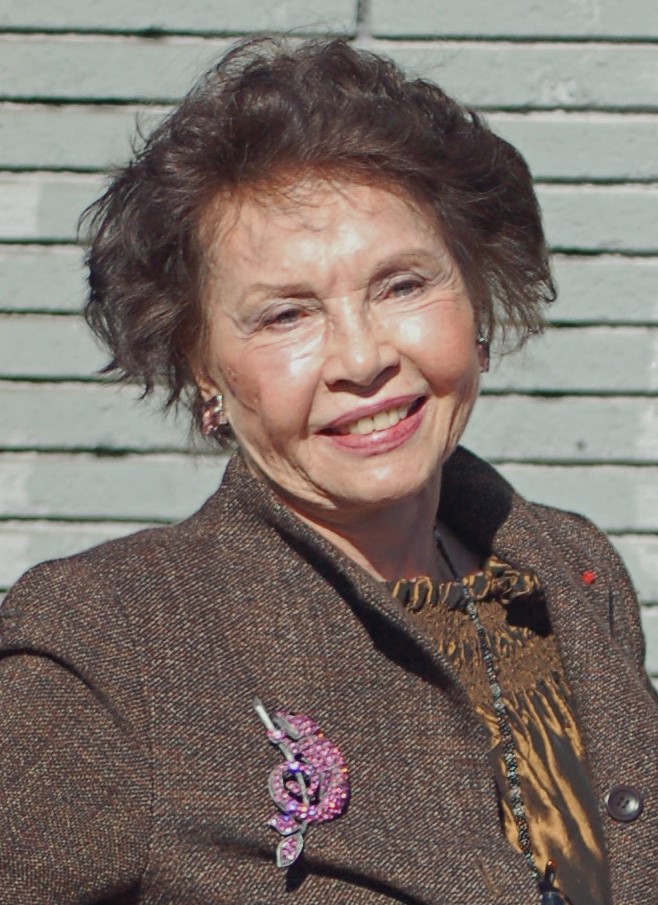
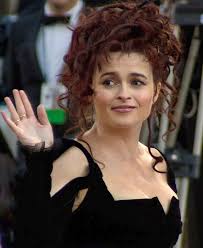
Actress Jill Clayburgh was a vibrant and multifaceted person who made a lasting impression on the film business by exploring the depths of human behavior via passionate portrayals. Her path to the Academy Awards was one of steady achievement, characterized by praise from critics and acknowledgment for her complex representations of women defying social norms. This piece will examine Clayburgh’s route to the Oscars, emphasizing her record of nominations and contributions to the film industry.

Early life and beginnings in acting
Jill Clayburgh was born in New York City on April 30, 1944, and her family was well-known within the Jewish community. Her mother worked as a theatre production secretary, while her father was a well-known manufacturer. Acting became Clayburgh’s early love while studying theatre at Sarah Lawrence College. She started to create herself as a competent actor in theatre and television by the late 1960s, which paved the road for her to Hollywood.
First Academy Award nomination for ‘An Unmarried Woman’ (1978)
Paul Mazursky’s ‘An Unmarried Woman’ (1978), a picture that struck a chord with viewers for its examination of gender norms and feminism, was Clayburgh’s big break. Erica, played by Clayburgh, is a lady navigating her life after her husband dumps her in favor of a younger woman. The output was striking in its equal parts of power and fragility. One of the most significant actresses of her time, Clayburgh received her first Academy Award nomination for Best Actress for this performance. Despite not winning the Oscar, many people saw her performance as a turning point in 1970s film.
Second Oscar nomination for ‘Starting Over’ (1979)
In the next year, Clayburgh was nominated for an Academy Award for the second time in a row for her performance as Marilyn Holmberg. Holmberg is a divorced guy. Clayburgh demonstrated her ability to combine humor and nuanced emotional expression once more. Her work in Starting Over was just as captivating as it was in An Unmarried Woman, despite being a lighter movie. Despite not winning the Oscar that year, her candidacy served to further solidify her standing as a formidable actress.
Navigating Hollywood in the 1980s
In the 1980s, Clayburgh had a consistent career in both cinema and television after receiving back-to-back Oscar nominations. However, Clayburgh found herself taking on a range of parts in lesser films and TV shows as the options for female performers over 40 in Hollywood grew more restricted. She nonetheless maintained her reputation as a highly esteemed professional in the field and kept turning in excellent performances in films.
Oscars and the changing landscape for women in Film
The late 1970s saw Clayburgh get nominations, signaling a turning point in Hollywood’s past as the business started to accept more nuanced female leads. Her portrayals demonstrated a change in focus toward narratives that highlight the autonomy, individuality, and emotional fortitude of women. Even though she didn’t take home the Oscar, her picks represented a shift in the industry as more films focussing on women started to appear at that time.
Later career and continued excellence
Despite her two nominations, Jill Clayburgh never went back to the Oscars, but her career went on. In the 1990s and 2000s, she accepted her television career, giving compelling performances in series like Ally McBeal and Nip/Tuck. Even in supporting parts, her performance in indie flicks like Running with Scissors (2006) served as a reminder to viewers of her persistent skill.
Legacy and influence
On November 5, 2010, Jill Clayburgh, who had been battling leukemia for 20 years, passed suddenly. She continues to have a huge impact on the movie business, particularly when it comes to presenting strong female roles. Her career was typified by the parts that led to her Academy Award nods: brave, sympathetic, and introspective depictions of women overcoming obstacles in life. Even though she was never awarded an Oscar, she made a significant impact on the business and continues to motivate a new generation of actors with her work.
You may also like these articles
How did Jason Statham become famous?
How did Angela Bassett became famous
How did Laurence Fishburne become famous?