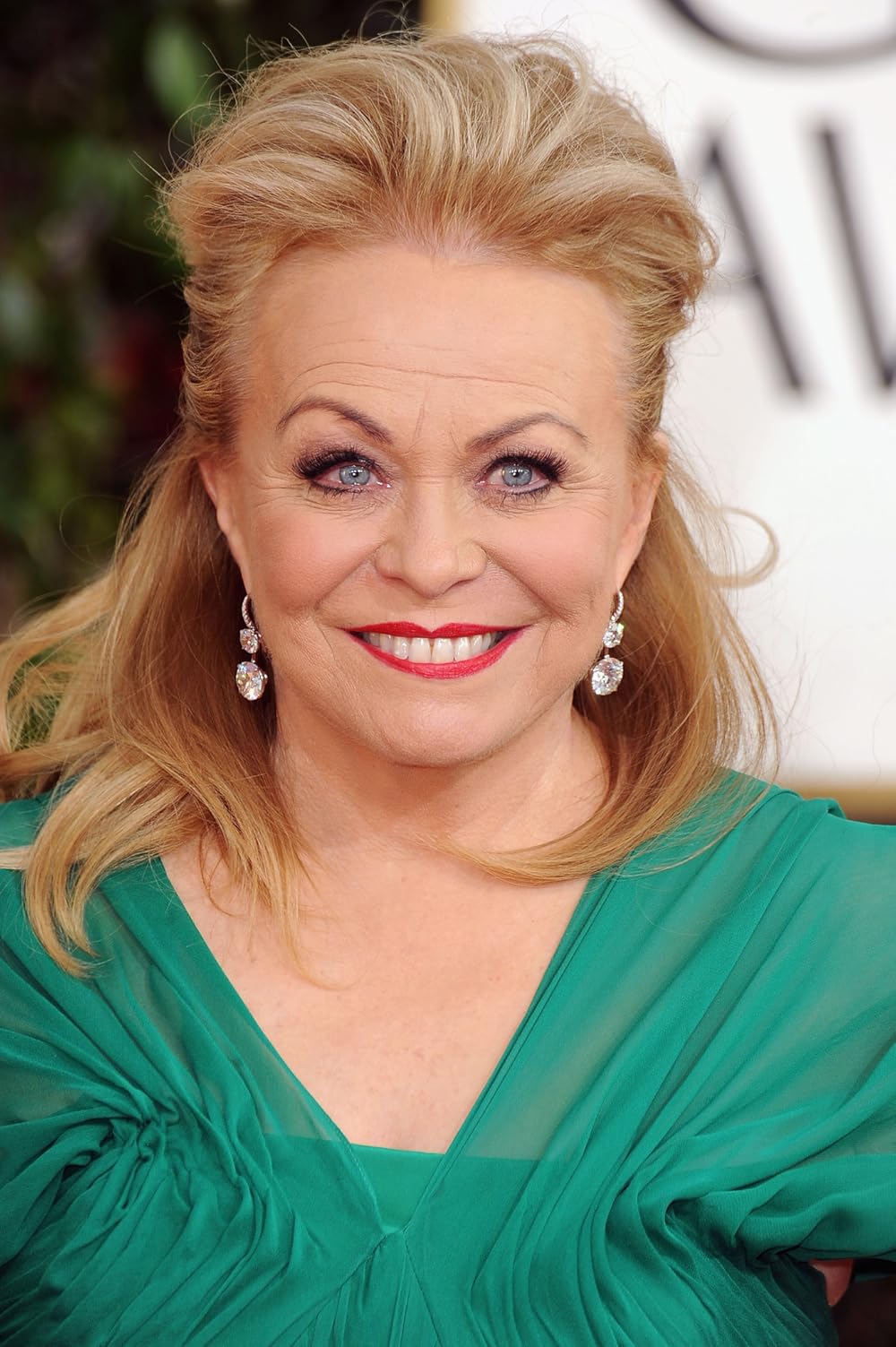
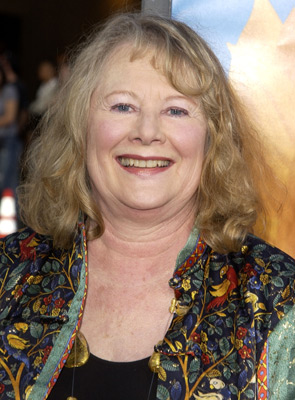
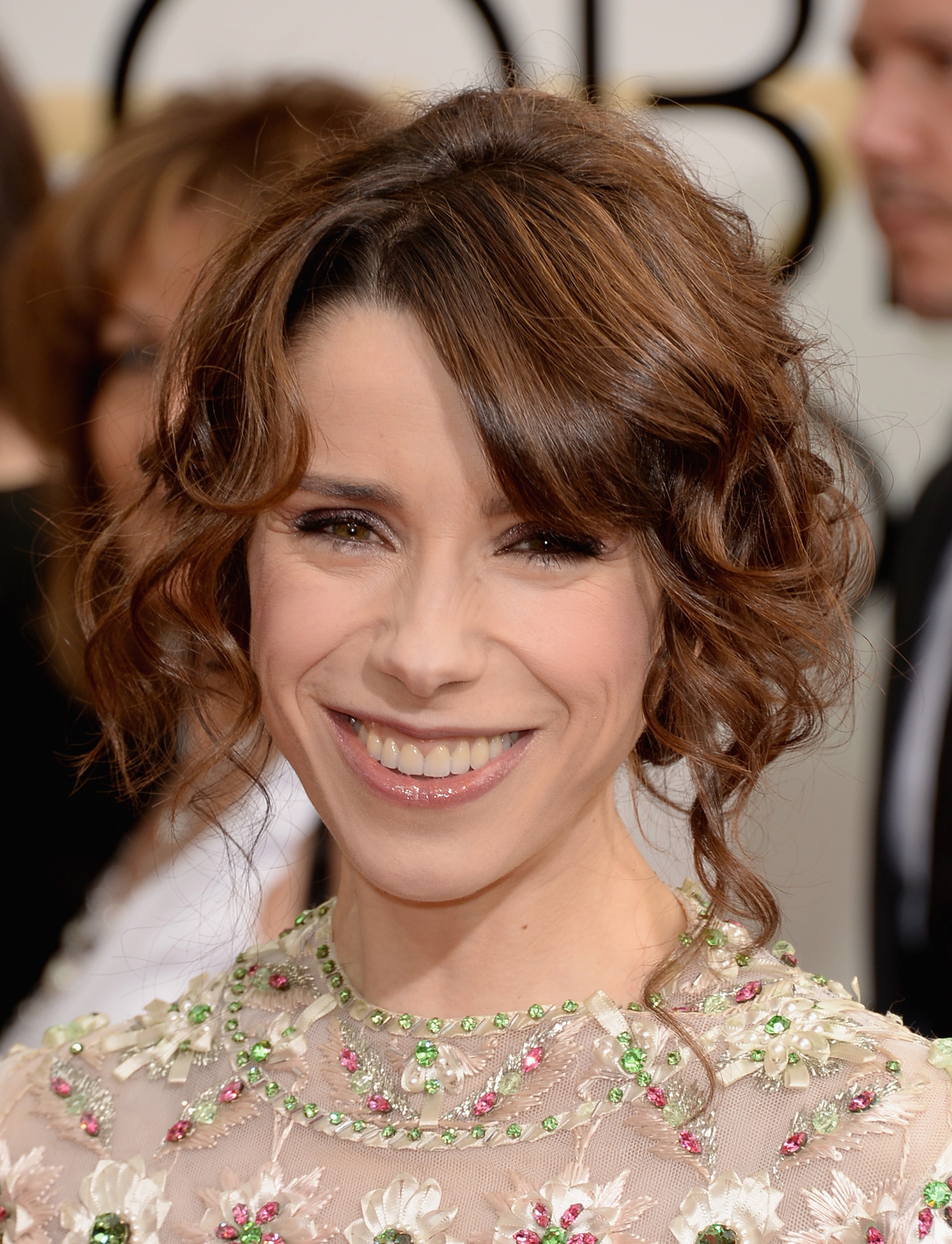
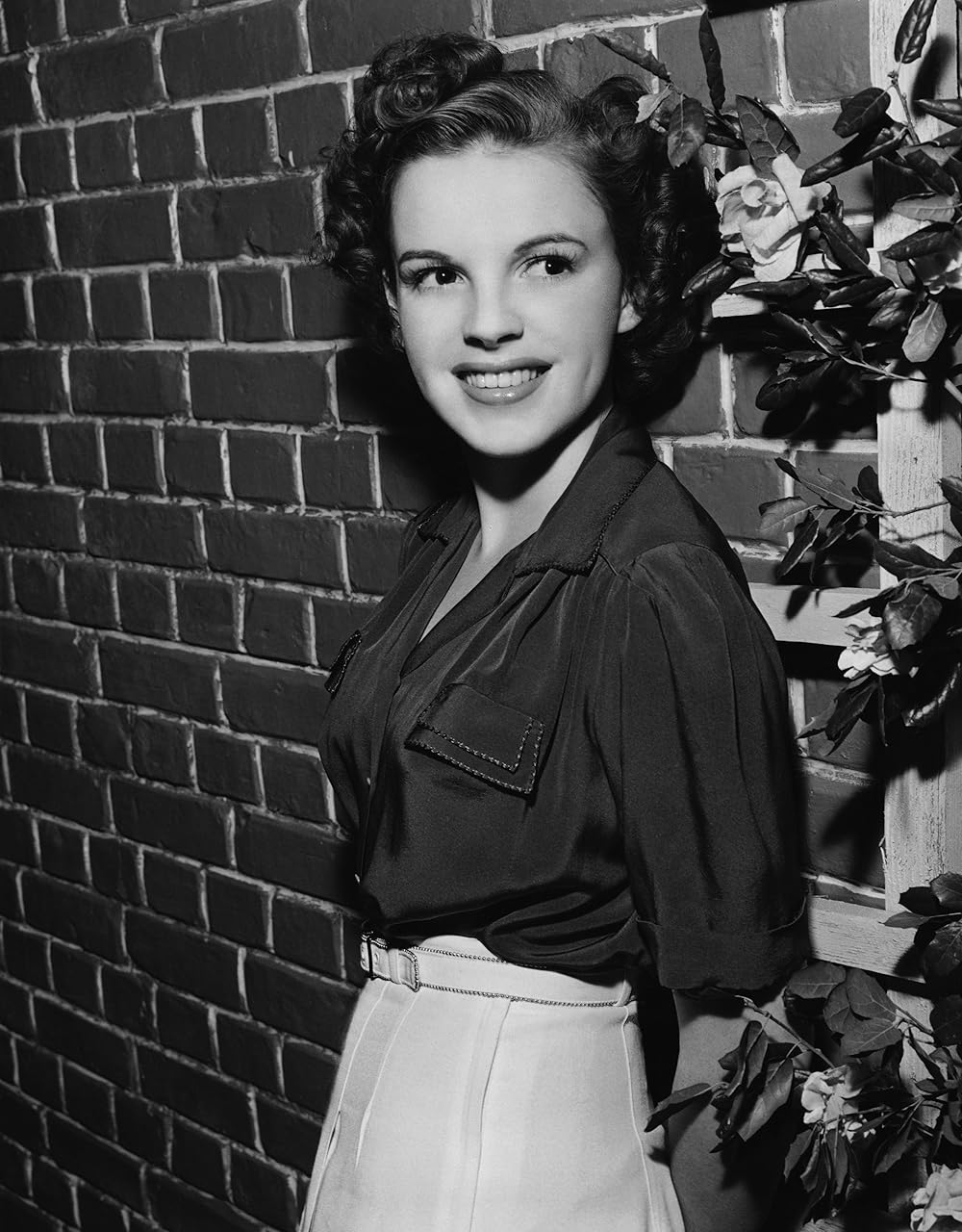
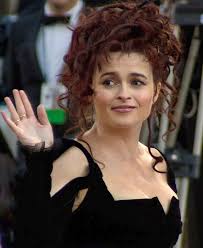
Acclaimed for her genuine on-screen persona and subdued passion, Catherine Keener has grown to become one of Hollywood’s most prestigious performers. Her journey through the Oscars, spanning more than three decades, is a story of talent, determination, and creative integrity. Her commitment to complicated and frequently unusual characters is evident in her nomination history, which solidifies her position in the annals of movie history.

The early years: A star is born
Catherine Keener was not initially interested in acting. She was born in Miami in 1959. Rather, it was during a theatre class at Wheaton College that she happened to stumble across acting. After relocating to New York City, she battled in the cutthroat world of casting calls before securing modest parts in films and television. Early on, Keener stood out due to her grounded demeanor in both her performances and off-screen activities.
Breakthrough performance: ‘Being John Malkovich’
In 1999, Catherine Keener received her first Oscar nomination for the immensely creative film Being John Malkovich. Despite the weird and surreal nature of Spike Jonze’s picture, audiences were drawn in by Keener’s portrayal of the self-serving yet endearing Maxine Lund. With her cold appeal in the part, she was nominated for Best Supporting Actress. Keener had been perfecting her skill for years, but it was a breakthrough that brought her to a wider audience.
Keener’s appeal: A master of subtlety
Catherine Keener’s subtle acting approach is what sets her apart. She thrives on subtlety rather than using big motions to dominate the screen. Keener creates characters with layers of depth that simultaneously display wit, power, and tenderness. She has developed a unique genuineness that has come to define her, whether she is portrayed as a loving friend or as a character with moral doubts.
The second nomination: ‘Capote’
In 2005, Keener received her second Oscar nomination for her performance as Truman Capote’s close friend and To Kill a Mockingbird author Harper Lee. In stark contrast to Philip Seymour Hoffman’s magnificent portrayal of Truman Capote, Keener’s performance has a subtle depth and tenderness. She was awarded in the Best Supporting Actress category once more. Keener demonstrated her ability to strike a balance between subtlety and emotional depth with her subtle portrayal, which gave the film’s examination of Capote’s darker side more emotional resonance.
Collaborations with Indie directors
Keener’s award nominations are the result of more than simply her ability; they also highlight the innovative filmmakers she has chosen to work with. She has continuously been sought after by directors such as Nicole Holofcener, Charlie Kaufman, and Spike Jonze. Some of Keener’s most striking works, such as the unusual and thought-provoking Synecdoche, New York (2008) and the poignant Friends with Money (2006), are the product of these collaborations.
Keener’s commitment to independent cinema
Despite having worked on major studio productions, Catherine Keener has always had a soft spot for indie filmmaking. Her dedication to compelling, character-driven narratives is evident in the Oscar nominations she has received. Keener is still very much in demand in independent cinema circles, where her readiness to take on unusual and sometimes emotionally taxing parts has made her a star.
Beyond the nominations: The overlooked performances
Although Keener’s two Oscar nominations rank among her acting highlights, her filmography is full of performances that she might have easily won greater attention for. Beautiful & Amazing (2001), The 40-Year-Old Virgin (2005), and Please Give (2010) are just a few of the films that highlight her adaptability and seamless transition between humor and drama. Despite receiving high praise from critics, several of her performances went unnoticed for accolades.
Influence on younger actors
A new generation of performers has been influenced by Keener’s work because they respect her ability to craft emotionally charged roles without going overboard. Actors who prioritize their creative integrity above fame now look up to her. Actors who have acknowledged Keener as a role model for their work include Greta Gerwig and Elisabeth Moss. They credit her for creating portrayals that are both unforgettable and relatable.
Oscar legacy: More than just nominations
Even though Catherine Keener hasn’t yet received an Oscar, her legacy has been cemented by her nominations alone. Directors and viewers alike find her to be a constant favorite due to her dedication to conveying stories with authenticity and her versatility as an actress. Even though she may not have received enough recognition from the Academy for several Oscars, her performance continues to be a benchmark in modern movies.
Looking forward: A legacy of excellence
Catherine Keener is still a major player in Hollywood, having a steady career in both television and cinema. Her steadfast commitment to her profession, rather than her accolades, maybe what truly defines her Oscar tale. She now serves as a resilient icon for viewers, letting them know that genuine talent is demonstrated by a performance’s enduring effects rather than by awards. Regardless of whether she is nominated again or not, Keener will leave a lasting legacy in the film industry that will continue to impact future generations.
You may also like these articles
How did Jason Statham become famous?
How did Angela Bassett became famous
How did Laurence Fishburne become famous?