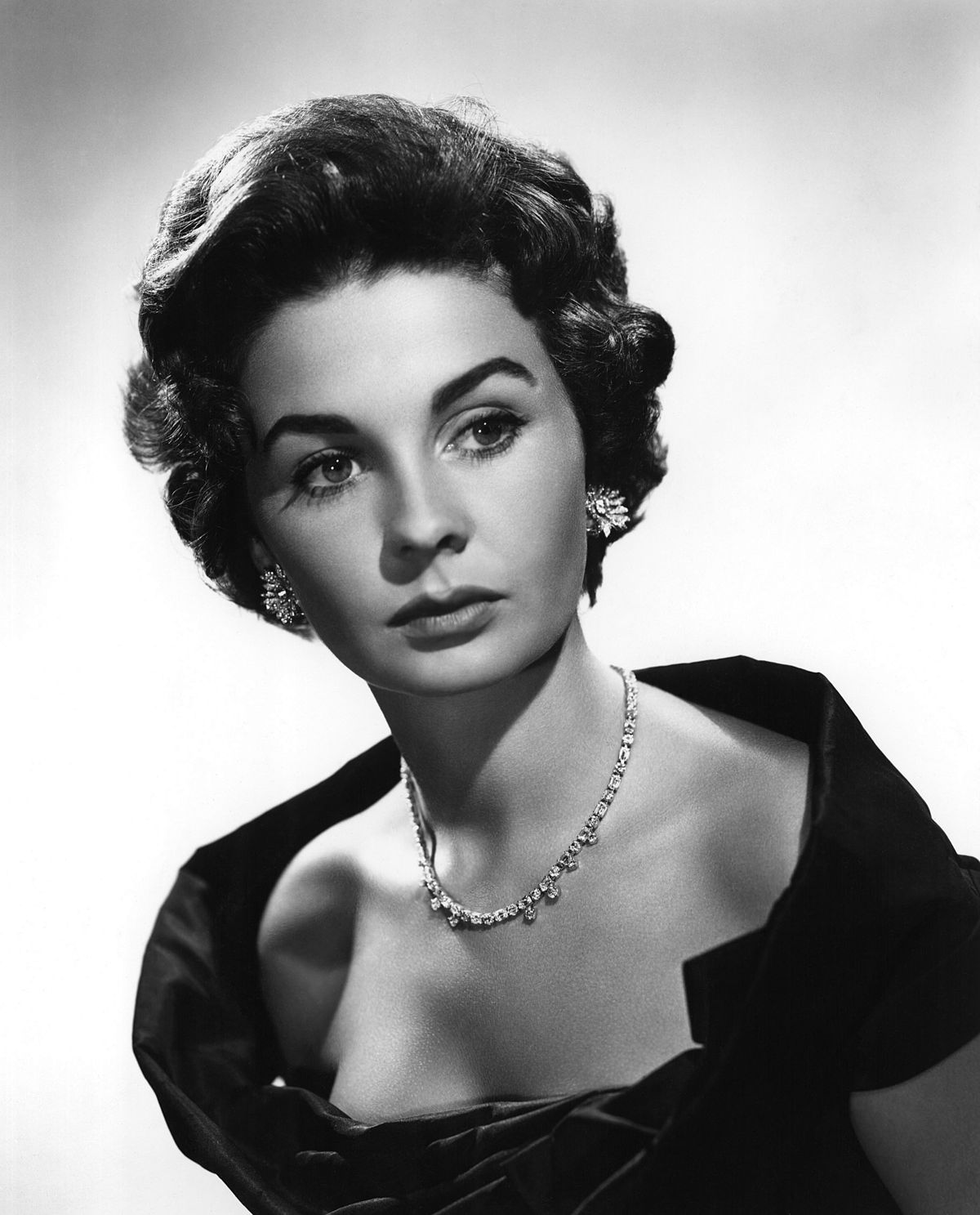
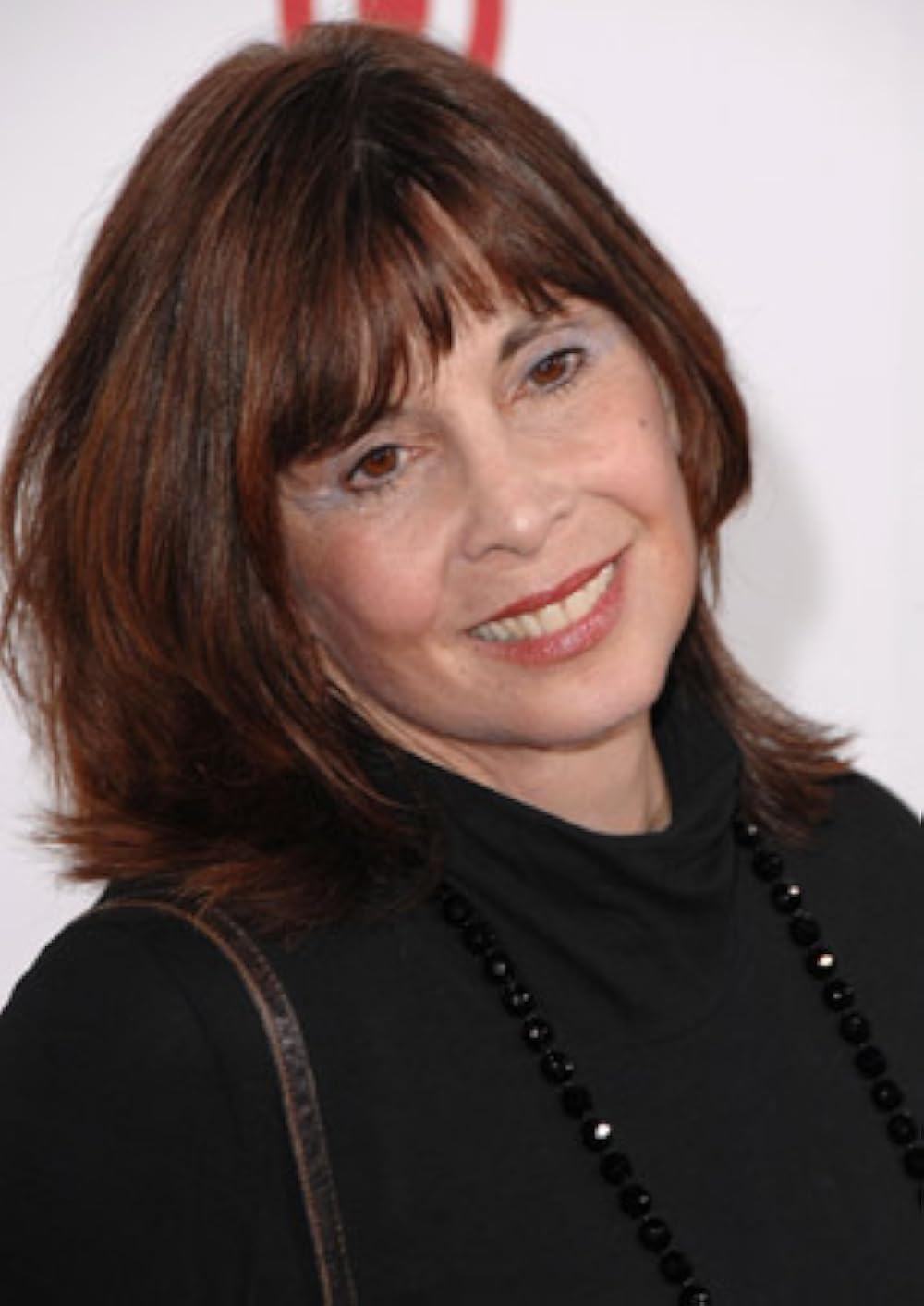
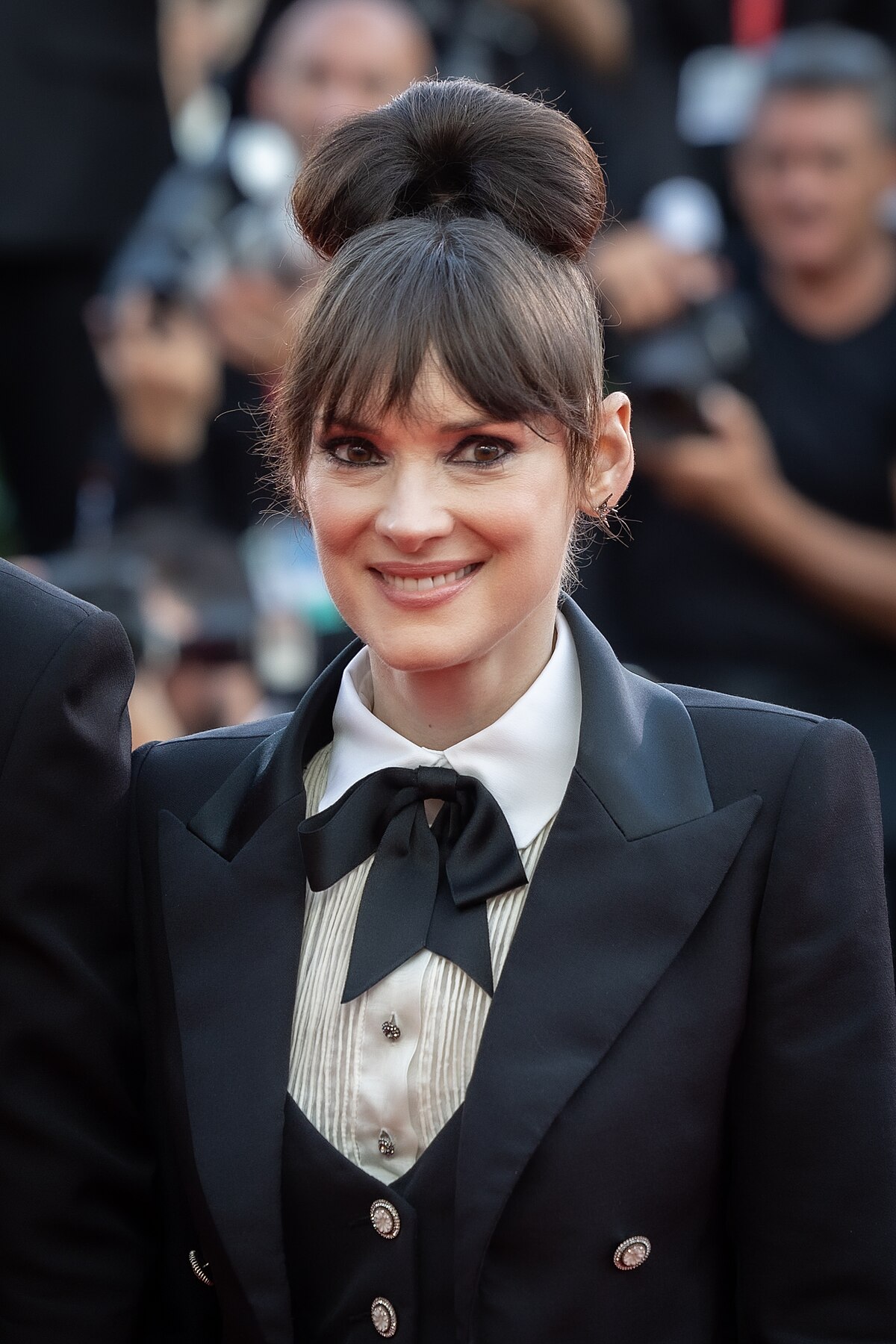
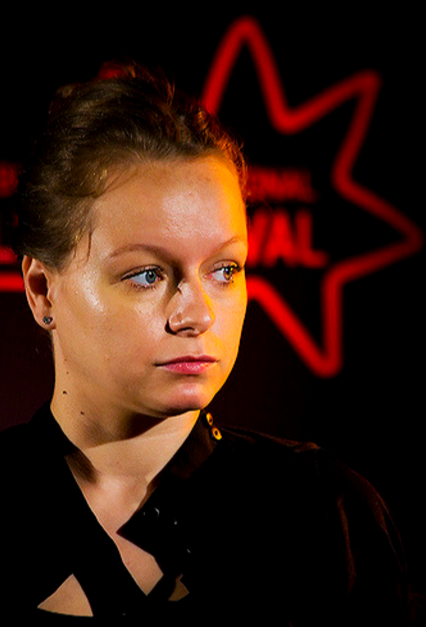
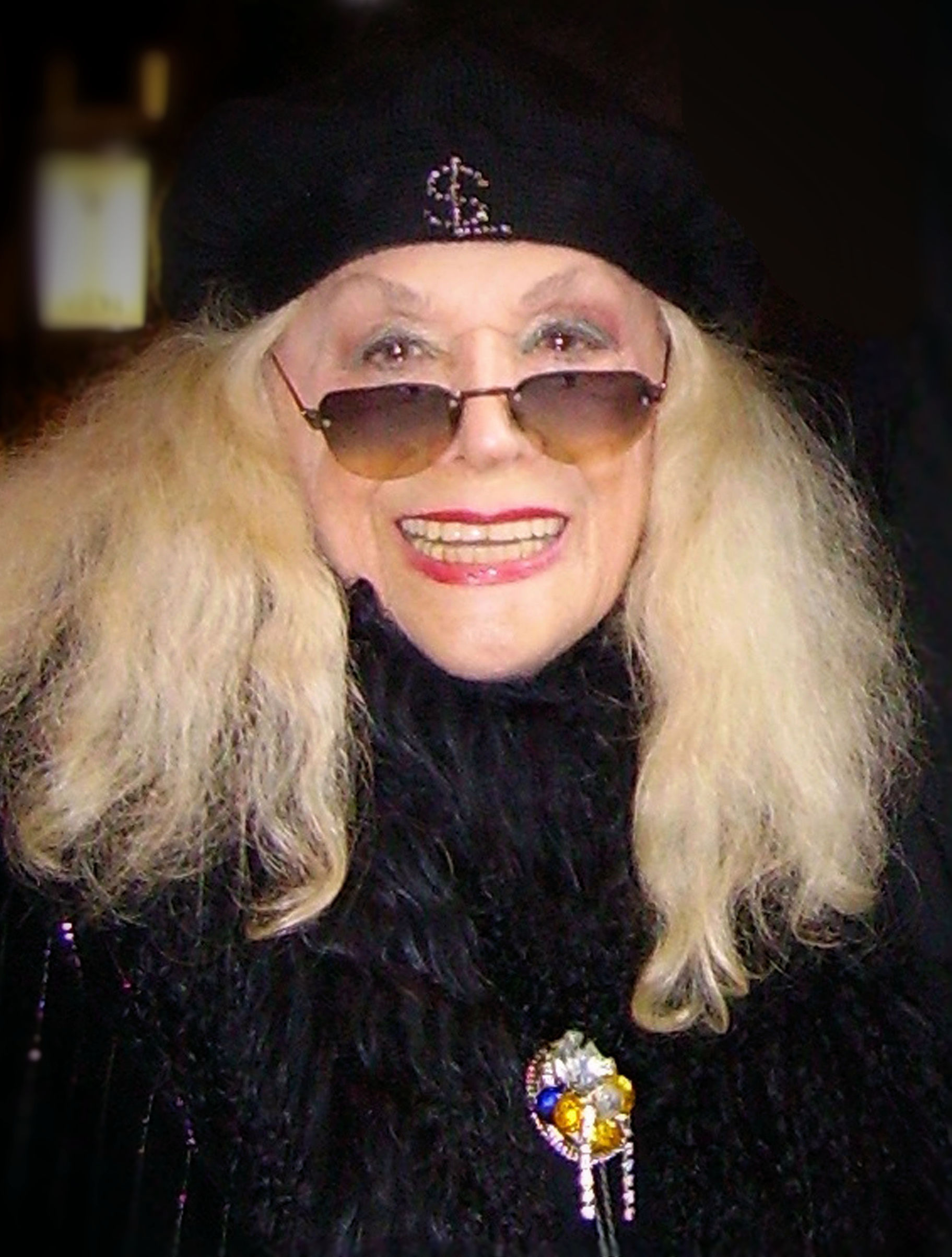
Although she sometimes acted in movies, American actress Kim Stanley (born Patricia Kimberley Reid) was mostly involved in theater and television. As one of the best actresses of her time, Kim Stanley’s creative ability made her one of the most admired actors in Hollywood and Broadway. With two Academy Award nominations for her captivating performances, Stanley had a short but significant cinematic career. She was well-known for her method acting and emotional intensity.
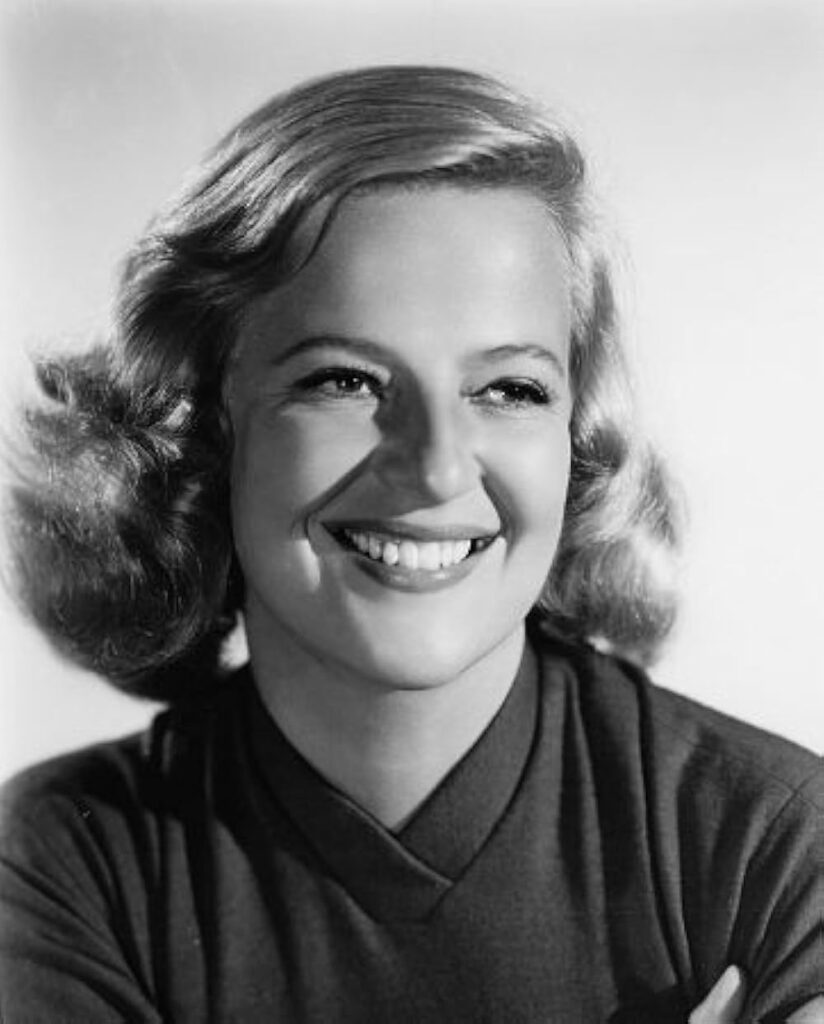
First Oscar nomination – The goddess (1959)
For her work in John Cromwell’s The Goddess, Stanley was nominated for her first Academy Award in 1959 for Best Supporting Actress. Examining the darker side of Hollywood’s star-making apparatus, the movie is a fictitious depiction of a woman analogous to Marilyn Monroe. Rita Shawn, portrayed by Jean Simmons, is a young lady who battles with emotional trauma and loneliness despite becoming a famous movie actress. In the role of Rita’s mother, Stanley played a devout but emotionally aloof lady who pushes her own goals on her daughter. Stanley didn’t get much screen time, but her presence was memorable. With a disturbing intensity, she captured the complicated relationship between mothers and daughters in a culture that valued celebrity above all else. Her character’s coldness and religious fervor have a lasting impact on her daughter’s life, and Stanley’s portrayal in The Goddess is a masterwork in emotional control. Her ability to elevate a supporting character into a psychologically sophisticated and emotionally nuanced character was shown by the Academy’s appreciation of Stanley in this role. Stanley attracted attention even in a supporting part, demonstrating that her power was too great to be limited by conventional Hollywood norms.
Second Oscar nomination – Seance on a wet afternoon (1964)
The psychological thriller Seance on a Wet Afternoon (1964) earned Stanley her second Oscar nomination five years later, this time for Best Actress. Bryan Forbes is the director of the movie. It centers on Myra Savage, a medium who plans to abduct a child with her husband in order to use her psychic powers to “solve” the case and become famous. Stanley does a superb job portraying Myra, fusing delusion, manipulation, and vulnerability in equal measure. Because she thinks that her paranormal skills will help her get the acclaim she so desperately wants, Myra is devoted to her work as a medium. But she takes a perilous and dark route because of her mental illness and her fixation with fame.
Stanley was able to arouse both terror and pity, which is what made her performance so remarkable. Myra was motivated by both professional urgency and emotional sorrow, which made her a complicated person. Stanley’s portrayal of her character’s psychological collapse was devastating and terrifying, and it left a lasting effect on the audience. Her performance was forceful yet controlled, and her character’s downward spiral was conveyed via subtle gestures and emotional depth, adding a quiet urgency to the movie. Stanley’s performance received high appreciation from critics, who ranked it among the best of the decade. Although Stanley did a great job portraying Mary Poppins, she lost the Best Actress Oscar to Julie Andrews.
Legacy beyond the Oscars
Kim Stanley’s impact extends much beyond her two Academy Award nominations, despite the fact that she never received one. Her colleagues, including acting greats like Lee Strasberg and Marlon Brando, admired her for her method acting impact and dedication to giving her parts their best selves. Stanley’s commitment to honesty and her emphasis on emotional reality struck a chord throughout her career on stage and television, inspiring generations of actresses to follow in her footsteps. Stanley’s career was significant in its breadth and depth, despite having few film credits. Along with her Oscar-nominated parts, she voiced the narrator in To Kill a Mockingbird (1962) and had standout performances in The Right Stuff (1983). Her roles in The Traveling Lady and A Touch of the Poet further solidified her status as a significant figure in American theater, and her stage work was similarly admired.
You may also like these articles
Chadwick Boseman’s impact on the film and television industry
Chris Hemsworth’s impact on the film and television industry
Scarlett Johansson’s impact on the film and television industry