A few names come to mind when we consider the Golden Age of Hollywood—icons that transcend beyond reality. Bette Davis is a force to be reckoned with among them, a woman whose unbridled skill and unwavering resolve cemented her immortality in the annals of film history. The Oscar narrative of Bette Davis is more than simply a story of nominations and wins; it’s also a story of an industry changed by her bold presence.
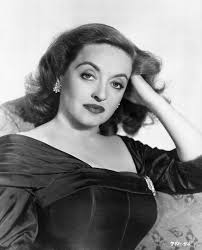
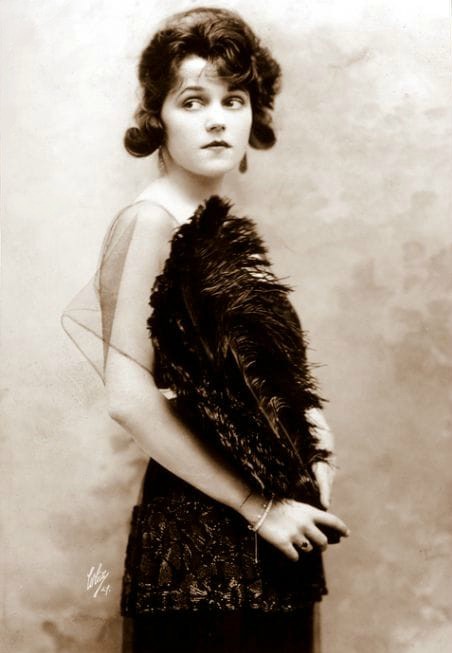
Born in Lowell, Massachusetts, in 1908 as Ruth Elizabeth Davis, Bette Davis appeared destined for stardom as soon as she stepped foot in Hollywood. Small, forgettable jobs marked the beginning of her cinematic career, but it didn’t take long for her brilliance to become apparent. Davis performed Of Human Bondage in 1934 which would permanently alter the trajectory of her career and the Oscars.
The snub that shook Hollywood: Of Human Bondage (1934)
In the film Of Human Bondage, Davis plays the cruel and cunning waitress Mildred Rogers, who seduces and devastates a young doctor with a disability. Her performance was raw, unglamorous, and completely revolutionary at a time when actresses were frequently expected to fit into the constrained mold of charm and beauty. Her passion was astounding. But Davis’ name was noticeably absent from the Academy Award candidates when they were revealed.
Hollywood was rocked by the rejection, which infuriated the public, fellow performers, and critics alike. The Academy permitted write-in votes in reaction to the criticism, a remarkable move that ultimately did little to aid Davis, who lost to Claudette Colbert. Her reputation as a fighter—someone who wouldn’t let the politics or the system determine her value—was solidified by this occurrence.
First win: Dangerous (1935)
It wouldn’t take Bette Davis long to achieve Oscar success. She played Joyce Heath in the film Dangerous the very following year, 1935, when she is a self-destructive performer who brings down everybody around her. Her first Golden Globe for Best Actress went to Davis for the portrayal, which reflected part of her wild and rebellious spirit. But there were challenges associated with even this success.
Many thought the Academy was apologizing for ignoring her acting skills in Of Human Bondage by giving her the Oscar for Dangerous. This lessened Davis’s happiness upon winning; she supposedly never felt completely fulfilled by the honor because she thought her performance in Dangerous wasn’t her greatest. She may have minimized her accomplishment, but the victory propelled her into the upper echelons of Hollywood’s acting profession.
The truimph of “Jezebel” (1938)
Jezebel was Davis’ real vindication, if Dangerous seemed like a comfort. She portrayed Julie Marsden in this 1938 Southern Gothic drama, a brash Southern belle whose impatience destroys her relationships and social prestige. The fragment of Julie came to be one of the most well-known of Davis’ occupation because of her understated and intriguing uncovering of the personality.
In 1939, her performance garnered her the Oscar for Best Actress and this time, there was no contradicting that she earned the acknowledgment. She persisted in looking for difficult, complicated parts that went against the expectations placed on Hollywood female characters.
A series of nominations: 1939-1944
With five straight nominations from 1939 to 1944, Bette Davis’s career reached new heights in the years after her second Oscar victory. Her acting flexibility was demonstrated by her parts in Dark Victory (1939), The Letter (1940), The Little Foxes (1941), and Now, Voyager (1942).
In particular, Now, Voyager continues to be one of her most cherished performances. In the movie, Davis portrays Charlotte Vale, a victimized woman who experiences a profound emotional and physical metamorphosis. Davis’s ability to portray grace, power, and fragility in equal quantities elevates this classic Hollywood melodrama. Despite not winning the Oscar that year, the part solidified her reputation as one of Hollywood’s most powerful leading women.
All about eve (1950): The performance of a lifetime
In 1950, Davis’s star power had slightly diminished, and in Hollywood that was changing quickly, she was regarded as past her prime. Her career, however, was spectacularly restored by her performance in All on Eve, one of the best films ever produced on the brutal nature of show business.
Davis portrays Margo Channing in All About Eve, an aging Broadway actress who feels like a young, ambitious newcomer threatening her crown. In addition to delivering piercing language with elegance and humor, Davis’ performance of Margo is a masterpiece in striking a balance between vulnerability and steeliness. In many respects, Margo mirrored Bette Davis, an elderly actress struggling to stay relevant in a business that was infatuated with young people.
A legacy carved in gold
The Oscar legacy of Bette Davis is one of courage, perseverance, and creative integrity. In addition to her accolades, Davis is recognized today for the way she transformed American film and left a lasting legacy that continues to influence upcoming performers and directors.
You may also like these articles
Chris Evans’s impact on the film and television industry
Karen Gillan’s impact on the film and television industry
Kevin Hart’s impact on the film and television industry