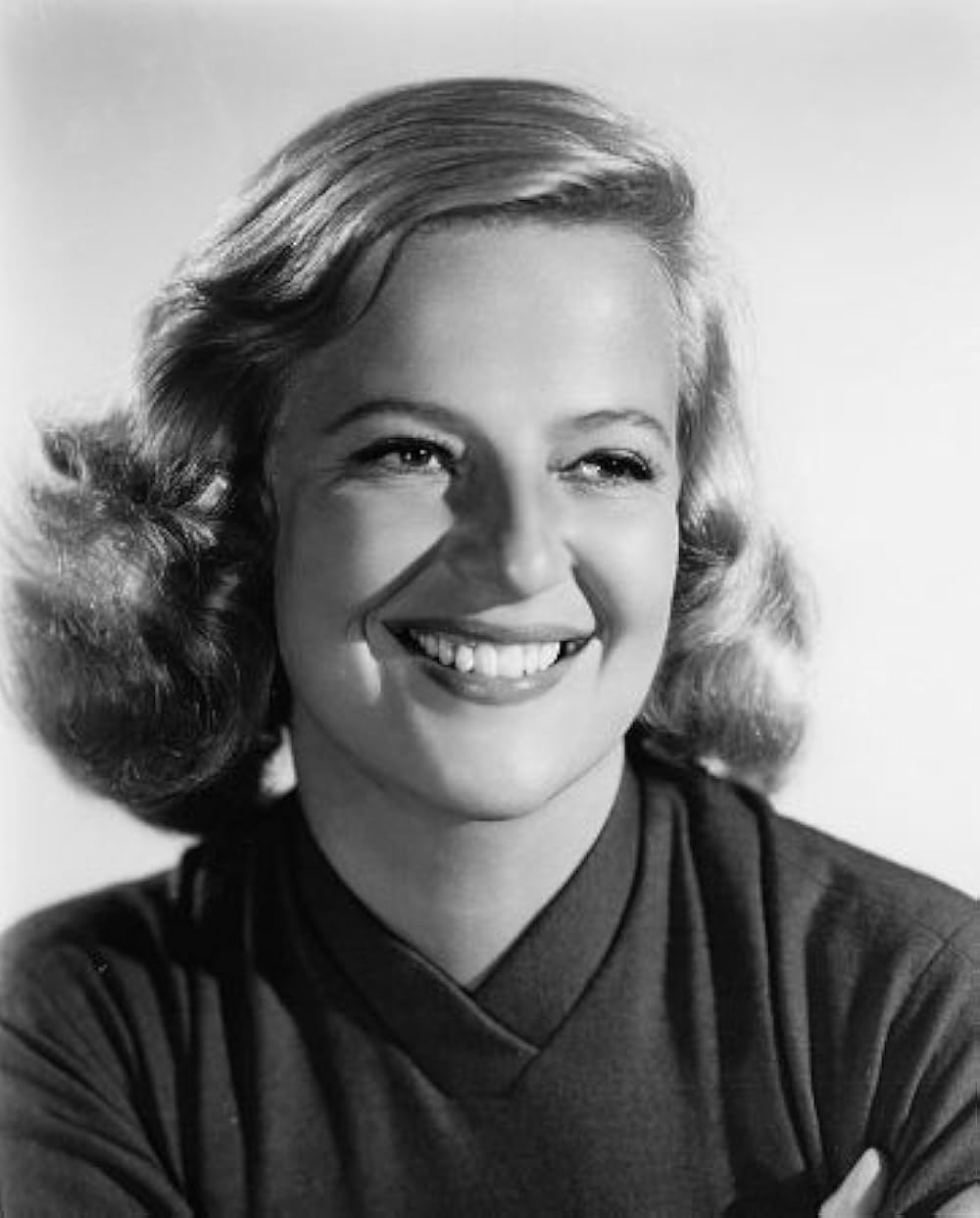
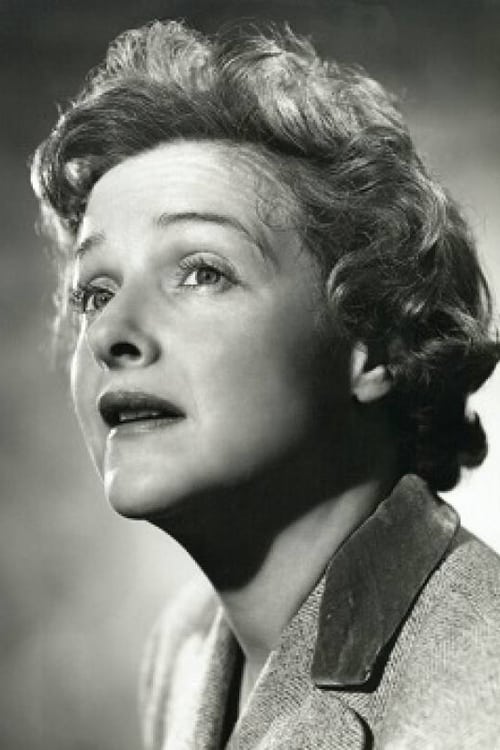
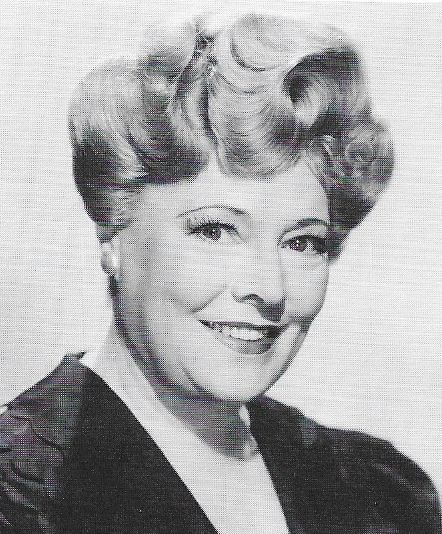
The legendary actress Liv Ullmann, who worked with Ingmar Bergman, is renowned for her emotionally charged roles. Ullmann’s work in art-house films is her main reputation, although her two Oscar nominations demonstrated her skill. The Emigrants (1971) and Face to Face (1976), two of her nominations, show the broadness of her ability and her effect on global film.

From theater to international fame
Having grown up mostly in Norway, Ullmann was born in Tokyo to Norwegian parents. Her first profession was in theater, and she gained recognition for her roles on European theaters. During the 1960s, she met Ingmar Bergman, which came to characterize her profession. Together, the two delivered probably the most renowned motion pictures ever, with Ullmann serving as Bergman’s motivation for Persona (1966), Cries and Whispers (1972), and Scenes from a Marriage (1973). Despite the fact that Ullmann was notable for her work in European film, Hollywood saw her uncommon expertise and selected her for two Academy Awards in the Best Actress category. These nominations reveal her ability for bringing nuanced, strongly felt characters to life.
First Oscar nomination – The emigrants (1971)
For her part in the Swedish movie The Emigrants, which was coordinated by Jan Troell, Ullmann accepted her first memorable designation for an Academy Award for Best Actress. A Swedish family’s nineteenth century migration to the US is told in the film, which was based on Vilhelm Moberg’s book. Ullmann portrays the matriarch Kristina, who must deal with the psychological and physical effects of leaving her own country for an unknown future in the United States. Kristina is a strong, resilient, and quietly suffering person. Ullmann’s portrayal of her was very nuanced, effectively conveying the inner turmoil of her character. The emotional struggles that characterized Kristina’s trip were more significant than the physically taxing voyage across the Atlantic. Ullmann’s subtle performance, which was full of emotional depth and restraint, conveyed the sacrifices and difficulties that come with beginning a new life in a different country. The job was tough; Ullmann had to strike a balance between calm dejection and optimism for a brighter future. Although Liza Minnelli won the Oscar for Cabaret, she received worldwide acclaim for her performance of Kristina and received her first nomination. The Emigrants is still regarded as one of her best performances and brought Ullmann to a worldwide audience.
Second Oscar nomination – Face to face (1976)
In 1976, Ullmann received her second Oscar nomination for her performance in the psychological drama Face to Face, directed by Ingmar Bergman and exploring personal tragedy and mental health. Ullmann portrays Dr. Jenny Isaksson, a psychiatrist whose life starts to fall apart as she deals with unsolved mental problems and traumas from her early years. The core of the powerful, contemplative movie Face to Face was Ullmann’s performance. The tale revolves on Jenny’s emotional breakdown, and Ullmann conveyed her character’s internal conflict rather well. With times of total emotional breakdown, Ullmann’s acting becomes more unvarnished and genuine as Jenny’s despair deepens. Ullmann’s depiction of Jenny was particularly potent because of her ability to subtly and empathetically express the character’s frailty. Her portrayal captured the complexity of mental illness in a disturbing and very genuine way. Face to Face was one of Ullmann’s most memorable performances of her career, and her acting was commended for its sincerity and emotional openness. Although Ullmann received a lot of praise, Network’s Faye Dunaway won the Oscar. Nonetheless, her performance as Jenny Isaksson has remained one of the best representations of mental anguish in cinematic history.
An enduring legacy
Despite the fact that Liv Ullmann never received an Oscar, her two nominations for Face to Face and The Emigrants are nonetheless important turning points in her career. Her portrayals in both movies showed that she could give life to characters that were very complicated. Ullmann’s dedication to nuanced narrative and emotional realism, rather than conventional Hollywood roles, characterized her career. Her work still has an impact on performers and filmmakers today, especially with Bergman. Because of her emphasis on emotional, introspective characters, Ullmann stood apart in the film industry. In cinema history, her ability to portray nuanced, unvarnished emotion without resorting to theatricality has made a lasting impression. Her variety and depth are seen in the two performances for which she received Oscar nominations, solidifying her status as one of the best performers of her day.
You may also like these articles
Chadwick Boseman’s impact on the film and television industry
Chris Hemsworth’s impact on the film and television industry
Scarlett Johansson’s impact on the film and television industry