James Woods has become one of Hollywood’s most well-known actors because of his career of enthusiasm, dedication, and flexibility. Woods has a lengthy career full of roles he has played, from tortured antagonists to villains, all of which he has done with modern technical skill. Despite his rare Academy Award nominations, he has shown his extraordinary ability to bring complex, multifaceted characters to life in the ones that he has received.
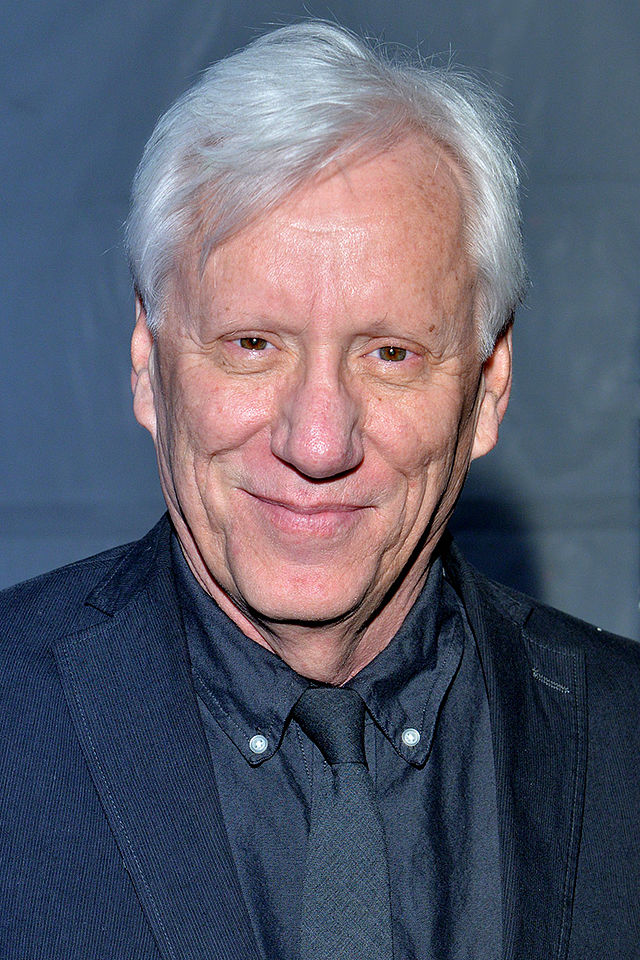
James Woods received two Oscar nominations. One for Salvador (1986), which recognized his deft portrayal of a worn-out journalist; and another for Ghosts of Mississippi (1996), which featured his depiction of the virulently racist.
First Oscar nomination: ‘Salvador’ (1986)
James Woods was nominated for the inaugural Oscar in 1987 in the Best Actor division for his role in Oliver Stone’s Salvador (1986). In the film, Woods portrays American journalist Richard Boyle, a disillusioned and cynical reporter who travels to El Salvador to document the atrocities of the country’s civil war. As his character embarks on a road of atonement, Woods’ riveting performance anchors the film’s fragile political background among the chaos and carnage.
Woods’s portrayal of Boyle in Salvador is Oscar-worthy because of the way he conveys the character’s complexity. Boyle is portrayed by Woods as being inconsistently idealistic, self-centered, and ethically dubious. His quest is a deeply emotional one as much as a political one. With a script written by Stone that combines comedy and unwavering reality, Woods uses his cutting, fast-cut delivery to give Boyle a tireless energy while also bringing him down to earth.
Even though Woods did not get the Oscar, his nomination demonstrated his ability to capture complex, imperfect, and utterly real beings on screen. His performance in Salvador was recognized by the Academy as not just a standout performance but also a sign of bigger parts to come.
Second Oscar nomination: ‘Ghosts of Mississippi’ (1996)
A decade later, in 1997, James Woods earned his second Academy Award nomination, this time for Best Supporting Actor for his role in Ghosts of Mississippi (1996). Woods took on the role of Beckwith, a figure steeped in hatred and prejudice, and delivered a chilling performance that stood out even in the film’s emotionally charged atmosphere.
Playing a character as repugnant as Beckwith required Woods to bring to the surface the stark ugliness of racism while ensuring his performance did not slip into caricature. His portrayal was one of controlled menace, as Woods embodied the virulent ideology that defined Beckwith’s worldview. What is particularly notable about his performance is the way he captured the subtle, chilling confidence of Beckwith, a man who believed deeply in his twisted convictions. The layers of loathsome certainty and sociopathic calmness that Woods brought to the role created a character that remains disturbingly relevant.
The Significance of these nominations
James Woods may not have had as many Oscar nominations as some of his peers, but the parts that his nominations represent make them more significant. In Salvador and Ghosts of Mississippi, Woods presented characters on the periphery of morality, one a remorseless evil motivated by hatred, the other an anti-hero in strife seeking redemption. The fact that the Academy recognized these positions attests to Woods’ ability to embrace the most trying and ethically complex aspects of the human experience.
Broadly speaking, Woods’ Oscar nominations highlight a career based on creative integrity and a dedication to presenting challenging narratives. He frequently looks for parts that challenge convention, selecting endeavors that let him delve into the most sinister and unsettling aspects of human nature.
You may also like these articles
Chris Evans’s impact on the film and television industry
Karen Gillan’s impact on the film and television industry
Kevin Hart’s impact on the film and television industry