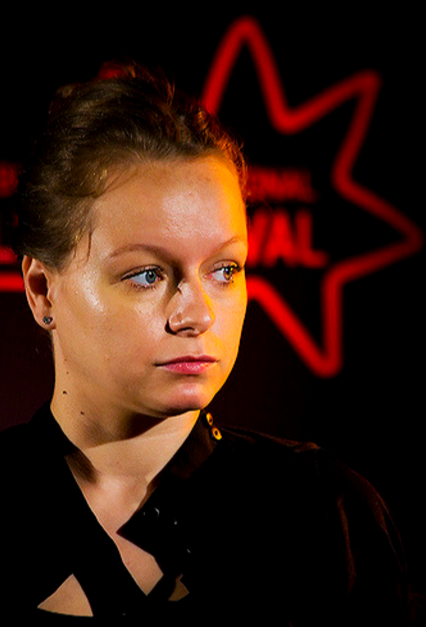
Emily Watson has long been praised for her ability to give compelling portrayals that are profoundly honest. This article examines Watson’s Oscar-nominated accomplishments, delving into the reasons for the praise and the insights these roles provide into her acting style.
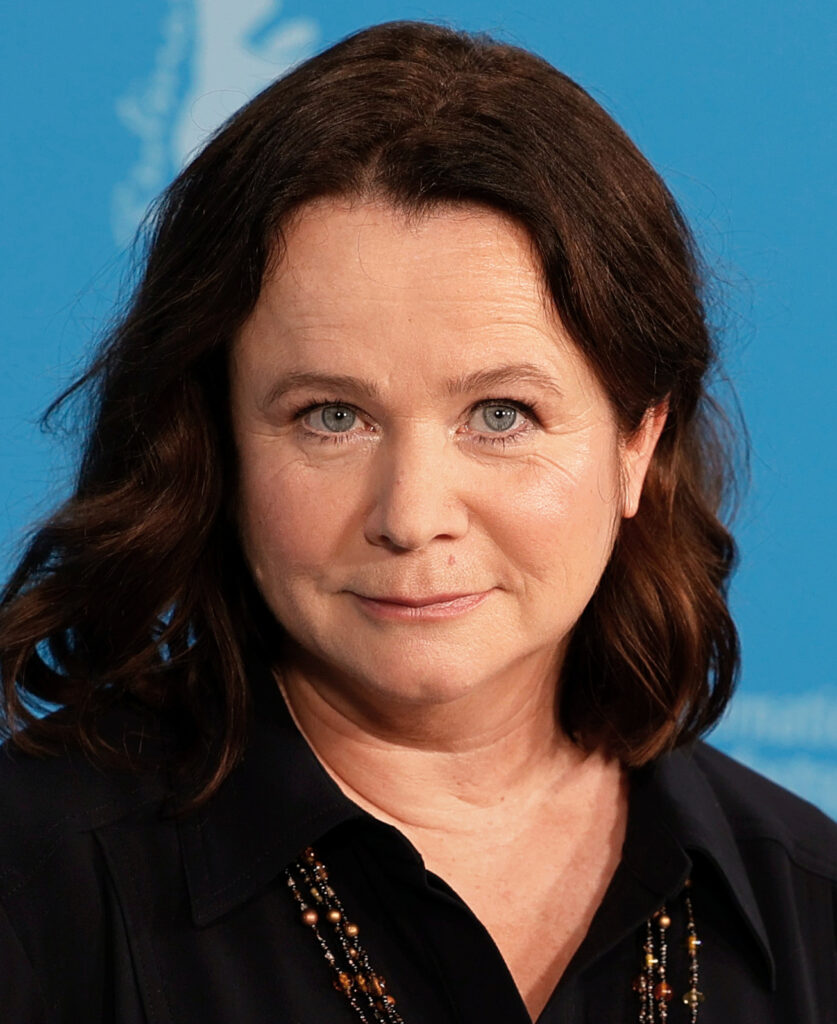
Breaking the Waves (1996): Watson’s first Oscar nomination
Watson’s breakthrough performance as Bess McNeill in Lars von Trier’s Breaking the Waves is still regarded as one of the most powerful film debuts ever. The film chronicles the terrible tale of Bess, a devout lady who gives her life to save her crippled husband. Watson had to play themes of sexual emancipation, sorrow, and loyalty in a way that was heartbreakingly emotional.
Watson received her first Oscar nomination for Best Actress because of her unflinching dedication to the role. Bess’s complexity—a woman divided between her beliefs and her desires—allowed Watson to show off both her power and her sensitivity. She became well-known to a global audience thanks to her portrayal, which also solidified her status as one of the most gifted actors of her day.
Navigating emotional depth
The emotional nuance Watson infused into the part was what set her Breaking the Waves portrayal apart. She presents Bess as frail but resolute, devout yet rebellious—a person full of paradoxes. Bess became one of the saddest and most unforgettable characters in movies thanks to Watson’s intense portrayal of these inconsistencies.
The boldness of taking on unconventional roles
Watson’s choice to make her acting debut in such a challenging part was evidence of her bold style. Watson accepted the challenge, although many heroines may have run from the raw energy needed for a Lars von Trier picture. Her readiness to take risks paved the way for a career filled with audacious, deeply felt performances.
Hilary and Jackie (1998): A second Oscar nod
Just two years had passed since Watson’s Breaking the Waves nod for her depiction of renowned cellist Jacqueline du Pré in Hilary and Jackie (1998). The heartbreaking struggle with multiple sclerosis, du Pré’s connection with her sister Hilary, and her ascent to prominence are all chronicled in this historical drama.
Watson faced a unique task while portraying a real-life person; she had to convey both the devastation caused by du Pré’s sickness and the joy of her early achievement. With an intense and eerie performance, Watson brought the brilliance and fragility of du Pré to life with remarkable subtlety.
Embodied brilliance: The Musical Genius of Jacqueline du Pré
To represent Jacqueline du Pré, Watson had to exude the passion and excitement of a musical genius. Even though Watson did not play the cello herself, viewers were persuaded of du Pré’s genius by her body language and facial reactions throughout the performance sequences. Her interpretation gained credibility from her ability to convey the joy of creating music.
Portraying illness and vulnerability
Hilary and Jackie’s second part was particularly difficult for Watson to write since it had to show du Pré’s emotional and physical deterioration as a result of multiple sclerosis. Watson depicted disease with empathy and deference, steering clear of dramatization in favor of a more nuanced, moving account of Jacqueline’s suffering. She received a great deal of praise from reviewers and fans for this part of her performance.
Balancing complexity: Sibling Rivalry and Love
The complicated bond between Jacqueline and her sister Hilary, portrayed by Rachel Griffiths, is at the core of Hilary and Jackie. With devastating realism, Watson portrayed the opposing feelings of love, envy, and anger. Her skill at managing these feelings produced a nuanced, multi-layered portrayal that deepened the film’s examination of sibling interactions.
Why Watson’s roles resonate
The profound compassion Watson imbues in her protagonists makes both of her Oscar-nominated performances—Bess McNeill in Breaking the Waves and Jacqueline du Pré in Hilary and Jackie—ring true. Because she doesn’t hesitate to delve into the deeper, more nuanced facets of human nature, her performances are both intensely emotional and demanding.
A commitment to authenticity
Watson’s uncompromising dedication to honesty is what distinguishes her as a performer. Watson gives her all to every part she does, losing herself in the emotional realm of her characters whether they be historical figures or fictitious ones. Her acting approach is characterized by her commitment to authenticity, which is also a major factor in her critical praise.
Impact on comtemporary cinema
Watson’s Oscar-nominated performances have left a lasting impression on modern film, especially in the representation of women in roles. In a field where women are frequently reduced to clichés, Watson has continuously opted for parts that defy expectations and provide nuanced, fully realized representations of women.
A legacy of emotional bravery
Emily Watson’s emotional daring and artistic integrity are best demonstrated by her Oscar-nominated roles in Breaking the Waves, Hilary, and Jackie. Her talent to explore the darkest corners of the human mind is seen in these performances, as she brings to life imperfect, fragile, and painfully genuine individuals. Watson’s reputation as one of the most skilled actors of her age is unwavering as she takes on more difficult and varied parts.
You may also like these articles
Chadwick Boseman’s impact on the film and television industry
Chris Hemsworth’s impact on the film and television industry
Scarlett Johansson’s impact on the film and television industry